
Construction type, core material, dimensions, finish, hardware prep, delivery, and labor all shift the final number. According to Reeb's 2023 catalog, a matched 30 x 80-inch primed slab costs $147 for hollow-core versus $325 for solid particle-core — same size, same face, different core.
This guide breaks down current pricing, the cost components hiding inside every quote, and when spending more actually pays off.
Key Takeaways
- Basic hollow-core flush slabs run $128–$164; solid-core versions of the same size jump to $283–$360
- Pre-hung units always cost more than slabs alone — the frame and hinges aren't free
- Installation labor adds $44–$83 per hour, with complex jobs reaching $249 or more
- Core construction drives durability and sound control far more than finish does
- The advertised slab price almost never equals the final installed cost
How Much Does a Flush Door Cost? (Pricing Overview)
There's no single "flush door price" — only slab prices, pre-hung unit prices, and installed project costs, each covering different components. Mixing these up is where most budgets go wrong.
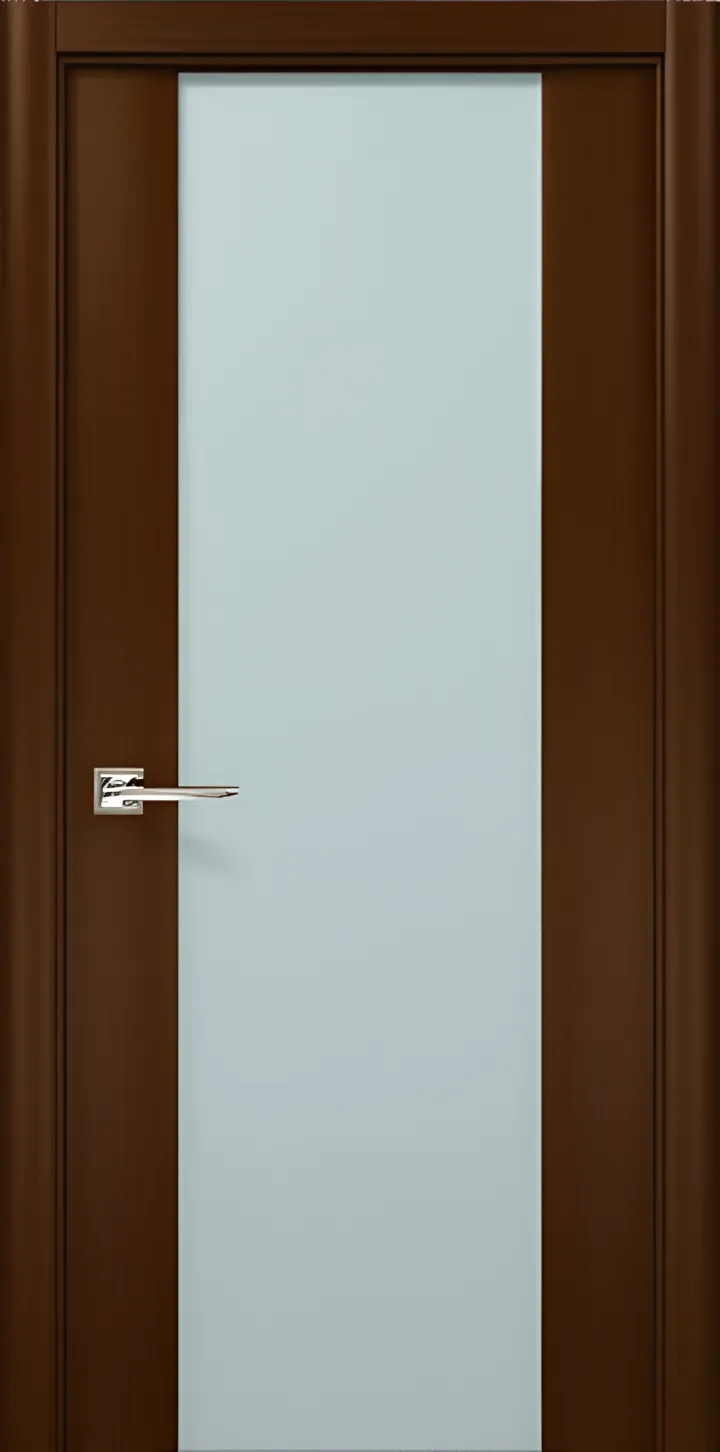
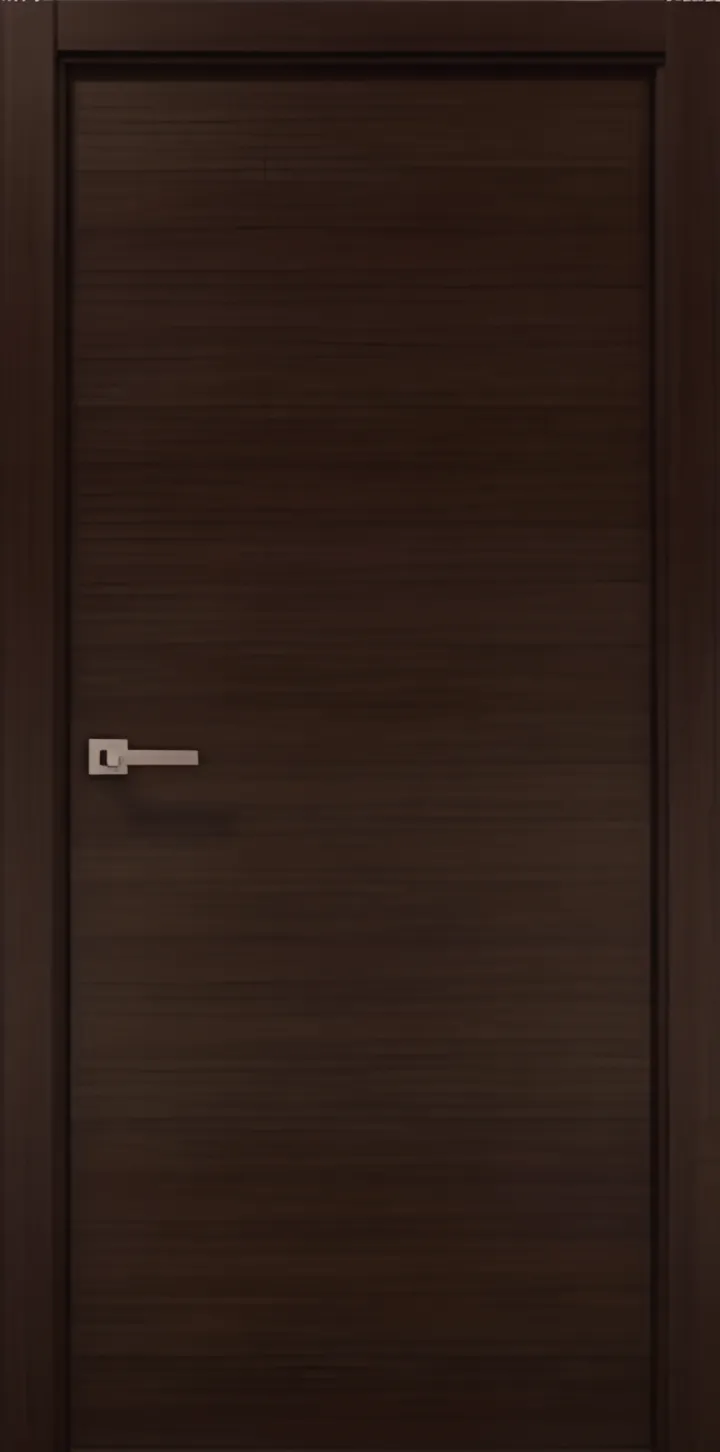
Three common mistakes trip up buyers:
- A low slab-only price may exclude the frame, hinges, lock prep, casing, delivery, and labor entirely
- A quote built around a standard opening won't necessarily apply to a replacement or custom-sized opening
- Choosing the wrong core or finish for the room can create repair or moisture problems down the line
Typical US Cost Ranges
Here's what the research shows for matched product categories, based on a 2023 vendor catalog and a 2025 installation cost report:
| Category | Price | What's Included |
|---|---|---|
| Basic hollow-core slab | $128–$164 | 30x80", primed hardboard, slab only |
| Hollow-core pre-hung unit | $243–$279 | Slab hung in frame with hinges, no casing |
| Solid-core slab | $283–$360 | Same dimensions, solid particle-core |
| Solid-core pre-hung unit | $398–$475 | Core upgrade, still no casing or finish |
| Standard installation labor | $44–$83/hour | Typically 1–3 hours, labor only |
| Complex installation | $249+ | Reframing, trim, and disposal involved |

These figures come from Reeb's 2023 catalog and Fixr's 2025 report on interior door installation.
Premium veneer, laminate, or fully custom European-style doors fall outside these catalog ranges entirely. They need a project-specific quote, not a published national range.
How to Read a Flush Door Quote
Four terms get used almost interchangeably, but they mean very different things:
- Door slab — the bare panel, no hinges or hardware attached
- Pre-hung door — slab already hung in its frame with hinges installed
- Complete door unit — the pre-hung assembly; "complete" doesn't mean knobs or paint are included
- Installed door — the material plus the labor to hang it, including removal and cleanup
Before trusting any price table, confirm the quote covers:
- Frame, jambs, and casing
- Hinges, latch or lock prep, and handles
- Delivery, removal, and disposal
- Finishing, taxes, and installation labor
Whole-house and builder orders sometimes get project-based pricing, but don't assume a discount without seeing it in writing.
What Affects Flush Door Price? (Cost Factors and Breakdown)
The purchase price reflects materials and manufacturing. The installed budget adds measurement, prep, logistics, labor, and finishing on top of that.
Type or Core Construction
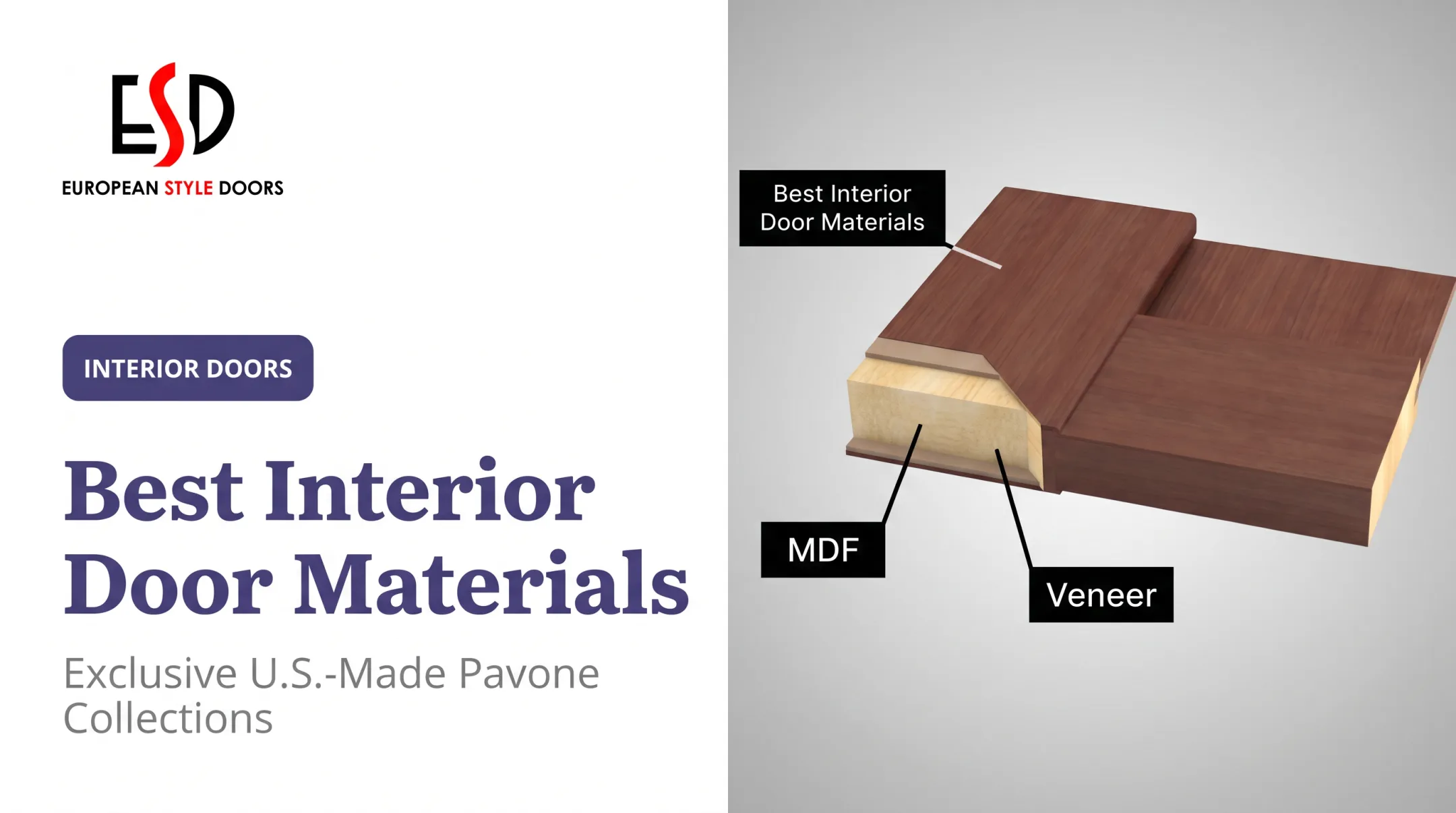
Hollow-core doors are lighter, cheaper, and fine for low-traffic closets or low-impact rooms. Solid-core and engineered-wood doors cost more upfront but hold up better to daily use and sound transfer.
JELD-WEN's 2023 ratings put flush hollow-core doors at STC 24 and flush solid-core at STC 30, a meaningful jump in sound control. The right application matters more than the price tag: a bedroom or home office benefits from solid-core; a rarely used closet usually doesn't need it.

Size, Thickness, and Custom Dimensions
Height, width, thickness, paired doors, and odd geometry all affect material use and shipping cost. If you've seen a "40mm wooden flush door" spec, note that it doesn't match standard US thicknesses:
| Measurement | US Equivalent |
|---|---|
| 1-3/8 inches | 34.9mm |
| 1-3/4 inches | 44.45mm |
| 40mm | ~1.575 inches |
Always confirm whether a quoted price covers the slab, the pre-hung unit, or installation. At 30 inches wide, a hollow-core slab goes from $147 at 80 inches tall to $338 at 96 inches tall. Size alone nearly triples the cost.
Surface Material and Finish
Paint-grade, laminate, and wood veneer finishes affect durability and cleaning more than they affect raw material cost. Factory-finished doors skip the field-painting step entirely, which can offset a higher sticker price once labor is factored in.
Verify what "finish" means with each supplier — some pricing covers only the slab face, not edge treatment or color matching.
Frame, Hardware, and Configuration
Slab-only, pre-hung, double-door, pocket-door, and concealed-hardware setups all carry different total costs. Items commonly billed separately include:
- Hinges and strike plates
- Locksets and handles
- Closers and privacy hardware
- Seals and weatherstripping
- Electrical or access-control prep
Heavier doors need compatible hinges and reinforced framing, which can push up both labor and delivery costs.
Installation and Site Conditions
Installation breaks down into measuring, removal, opening prep, hanging, alignment, trim work, hardware fitting, and final adjustment. Uneven floors, out-of-square openings, existing trim, and restricted access all add labor hours.
New-construction installation is usually simpler than a replacement job in an occupied home, since there's no demolition or disposal involved. Regional labor rates vary too, so expect different quotes in different states.
Operating, Maintenance, and Replacement Costs
A cleanable finish and stable core construction reduce touch-up and replacement needs over time. For bathroom or damp-area installations, suitability depends on the manufacturer's moisture rating, edge sealing, and ventilation, not just the word "wooden" on the label. Run a simple lifecycle comparison: expected service life, refinishing needs, hardware wear, and removal cost if the door fails early.
Low-Cost vs High-Cost Flush Doors — What's the Difference?
Price alone doesn't tell you much. What matters is where the door goes and what it needs to do.
Performance and Privacy
Budget hollow-core doors work fine for low-impact spaces like linen closets. Solid-core and engineered options deliver better sound control and a more substantial feel in bedrooms, offices, or shared walls. Performance depends on the whole assembly: slab, frame, seals, and gap tolerances together, not the slab alone.
Durability and Appearance
Basic painted finishes show wear faster and are harder to color-match after repairs. Premium veneer or factory-finished doors hold up better and look consistent across a whole house. That upgrade is worth it when doors are a visible design element, less critical in a utility closet.
Installation and Long-Term Value
Standard pre-hung units install faster than custom-sized, heavier, or paired doors. For builders and whole-house remodelers, that installation time difference multiplies across every opening.
A low slab price that requires extra framing, separate painting, and a second contractor visit can end up costing more than a higher-priced complete kit. ESD's complete door kits, for example, arrive with frame, moldings, hinges, handles, and seals included — buyers typically only need to hire an installer, with no separate painting step required.

How to Estimate the Right Flush Door Budget
Start by counting your openings and classifying each one by room, size, required performance, and whether it's new construction or a replacement.
Build your estimate line by line:
- Door slab or pre-hung unit: the base product cost
- Frame, jambs, casing, and trim: often sold separately from the slab
- Finish, color matching, or custom sizing: confirm what's included
- Hardware: hinges, locksets, handles, closers
- Delivery, removal, disposal, and taxes: easy to forget, adds up fast
- Installation and contingency: for unknown opening conditions
When comparing quotes, ask every supplier the same questions:
- What's included?
- What's excluded?
- What's the lead time?
- Who's responsible for installation?
- Is the price per door or for the whole project?
Request samples or finish boards before ordering, especially for custom or whole-house work, and confirm final dimensions before placing the order.
If you're planning a custom European-style interior door project, European Style Doors offers free measurement, custom sizing, multiple finish options, complete installation-ready kits, nationwide delivery, and optional professional installation. Pricing depends on your specific door style and quantity, so request a project quote before budgeting a final number.
What Most People Miss When It Comes to Flush Door Price
Even careful buyers overlook a few recurring issues:
- Focusing on the advertised slab price while ignoring frame, casing, hardware, delivery, and installation costs
- Comparing a standard hollow-core slab to a solid-core custom pre-hung door as if they're the same product
- Skipping opening measurements, swing direction, and wall thickness before ordering
- Choosing a finish or core that doesn't match the room's moisture, traffic, or sound needs
- Not confirming lead times, warranty terms, and who handles damage after delivery
- Underestimating coordination needs on multi-unit projects, where finish batches and delivery sequencing affect the total budget
Conclusion
Flush door price in the US depends on construction, size, finish, configuration, installation, and site conditions. A useful budget has to define exactly what each quote includes before you compare numbers.
The right choice balances upfront cost against performance, appearance, maintenance, and how long the door needs to last. Before committing, get itemized quotes rather than single lump-sum numbers.
For custom European-style interior doors with nationwide delivery and installation support, European Style Doors can provide a project-specific consultation based on your actual openings and finish preferences.
Frequently Asked Questions
How much does a wooden flush door cost?
Slab-only pricing typically runs $128–$360 depending on core construction, while pre-hung units range from roughly $243–$475. Wood veneer, engineered construction, size, and finish all shift these numbers, and installation is billed separately.
How do I calculate the price of a wooden flush door?
Add up the door unit or pre-hung price, frame and hardware costs, finish or custom-sizing fees, delivery charges, and installation labor. Taxes and removal of an old door often get missed but should be included in your total.
How much does a 40mm wooden flush door cost?
A 40mm specification doesn't match standard US door thicknesses (1-3/8" or 1-3/4"), so pricing depends on the exact construction and whether it's converted correctly. Always verify the supplier's actual thickness and confirm if installation is included.
How much does a wooden bathroom flush door cost?
Price depends less on the word "wooden" and more on moisture resistance : core material, edge sealing, finish, and manufacturer approval for damp areas all factor in. Confirm the door is rated for bathroom use before comparing price.
Are wooden flush doors more expensive than other types of doors?
It depends on the comparison: a wood veneer flush door often costs more than a basic hollow-core slab but can cost less than a solid-wood panel door. Installation and finish choices frequently change the final comparison more than the door type alone.
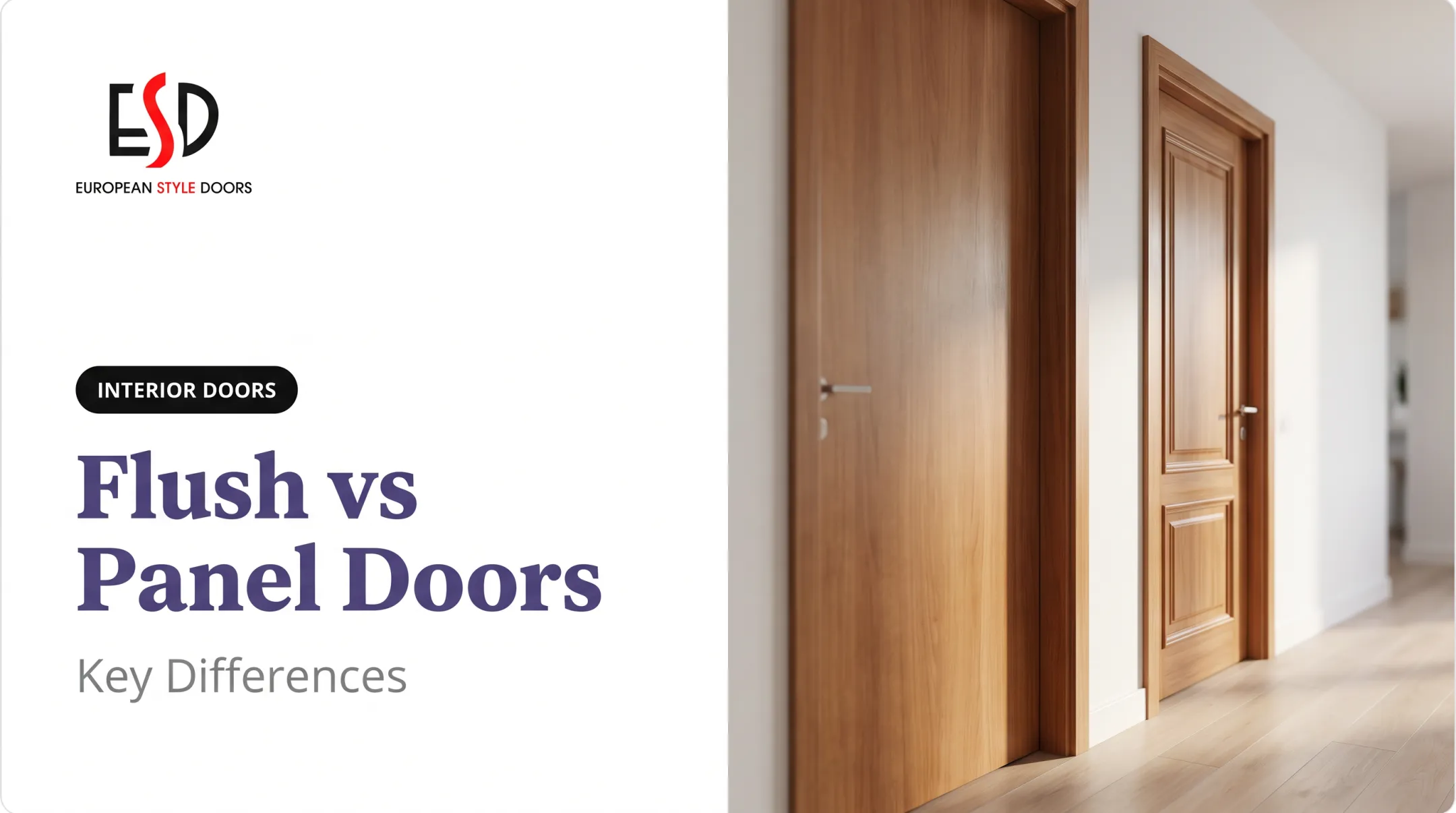
Which is better: a wooden flush door or a panel door?
Flush doors offer a flatter, modern look and generally simpler cleaning; panel doors bring more traditional detail and texture. The better choice comes down to the room's style, your maintenance preferences, and the project's overall design direction.