
What Are Engineered Wood Doors?
Homeowners remodeling a house full of dated, hollow-core doors face a real trade-off. Solid wood looks great but can swell, shrink, or warp with seasonal humidity. Builder-grade hollow doors are cheap but feel flimsy and rarely match across a whole house.
Engineered wood doors sit between those two extremes. They combine a refined wood or laminate appearance with dimensional stability, finish flexibility, and consistent sizing that makes multi-door projects easier to manage.
This guide covers what these doors are actually made of, how they're built, where they hold up and where they don't, and how they compare to solid wood. Suitability depends on the specific core, face material, finish, and installation conditions, not on the label "engineered wood" by itself.
Key Takeaways
- Engineered doors use bonded layers, fibers, or composite cores instead of solid lumber
- Core, face material, edge treatment, and finish drive stability and appearance
- Best for remodels that need consistent sizing, modern finishes, and less seasonal movement
- Confirm moisture limits, warranty terms, and slab vs. pre-hung vs. full-kit shipping
What Is an Engineered Wood Door?
An engineered wood door is built from bonded wood-based components rather than a continuous piece of natural timber.
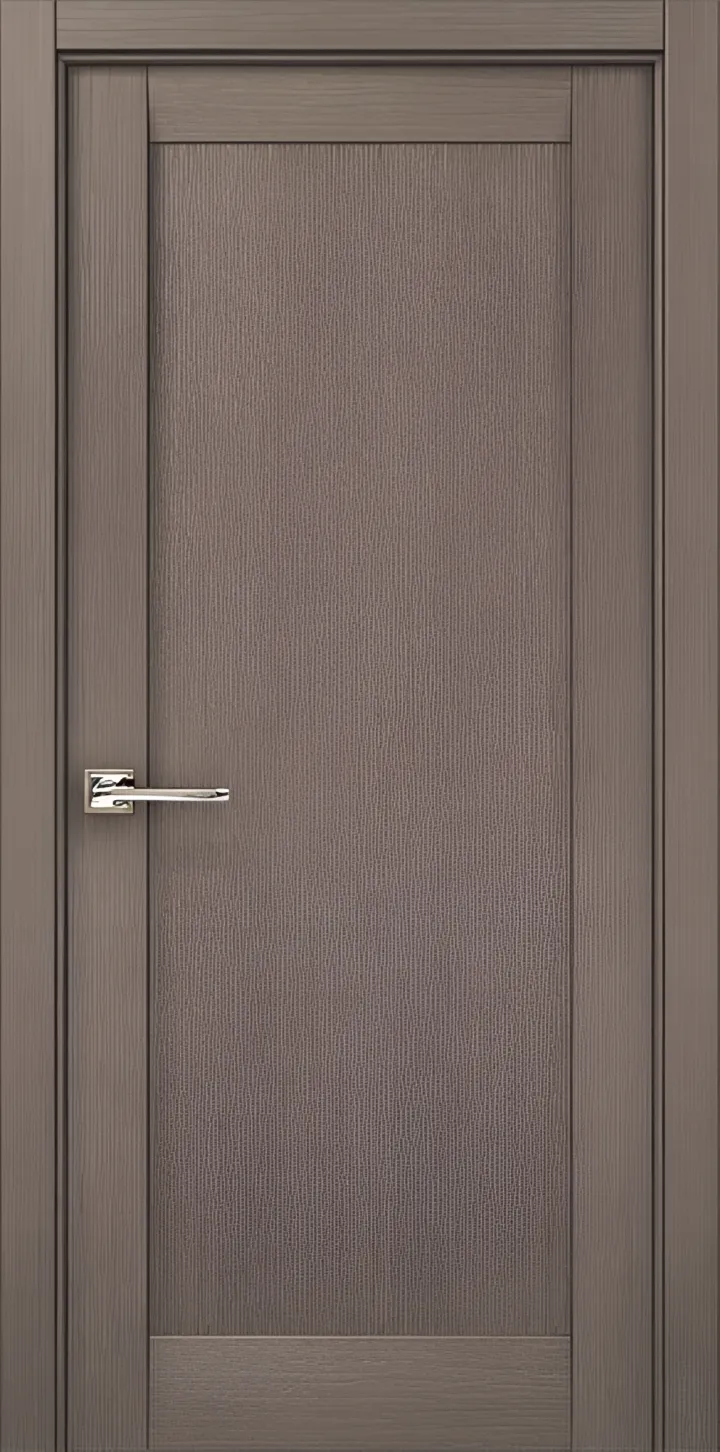
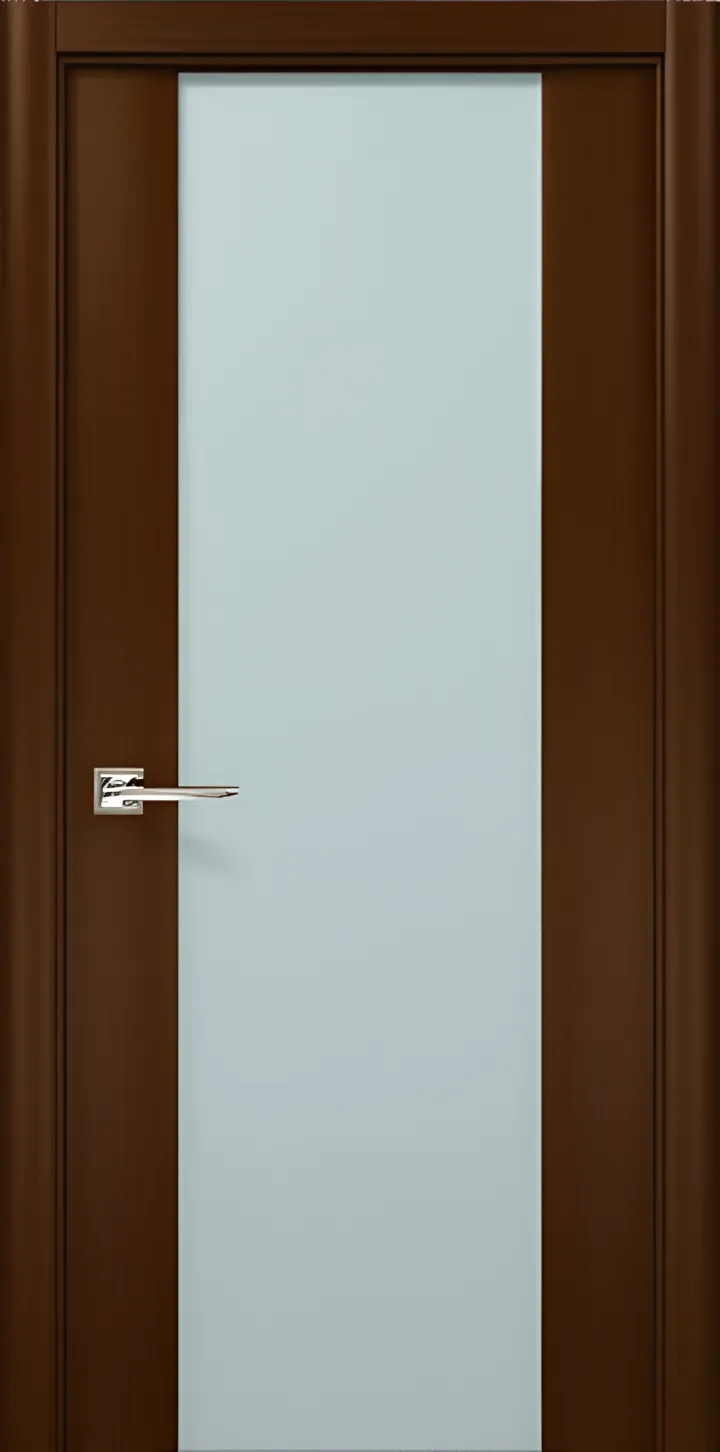
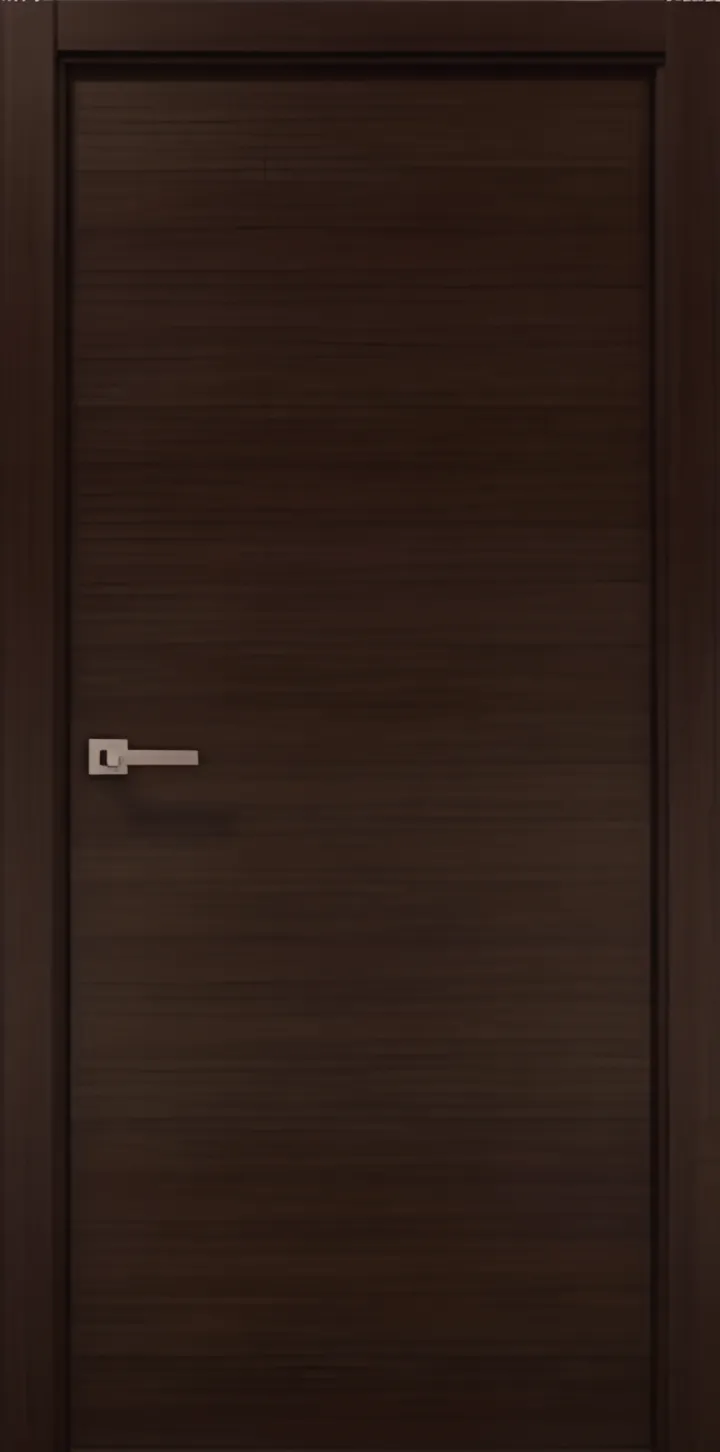
The industry's own technical glossary bundles several distinct materials under this umbrella, including particleboard cores, medium-density fiberboard (MDF), and structural composite lumber, each with different density and performance characteristics, according to WDMA's door glossary.
That matters because "engineered" tells you very little on its own. Two doors both marketed as engineered wood can perform completely differently depending on what's actually inside them.
Core vs. Face: Two Separate Questions
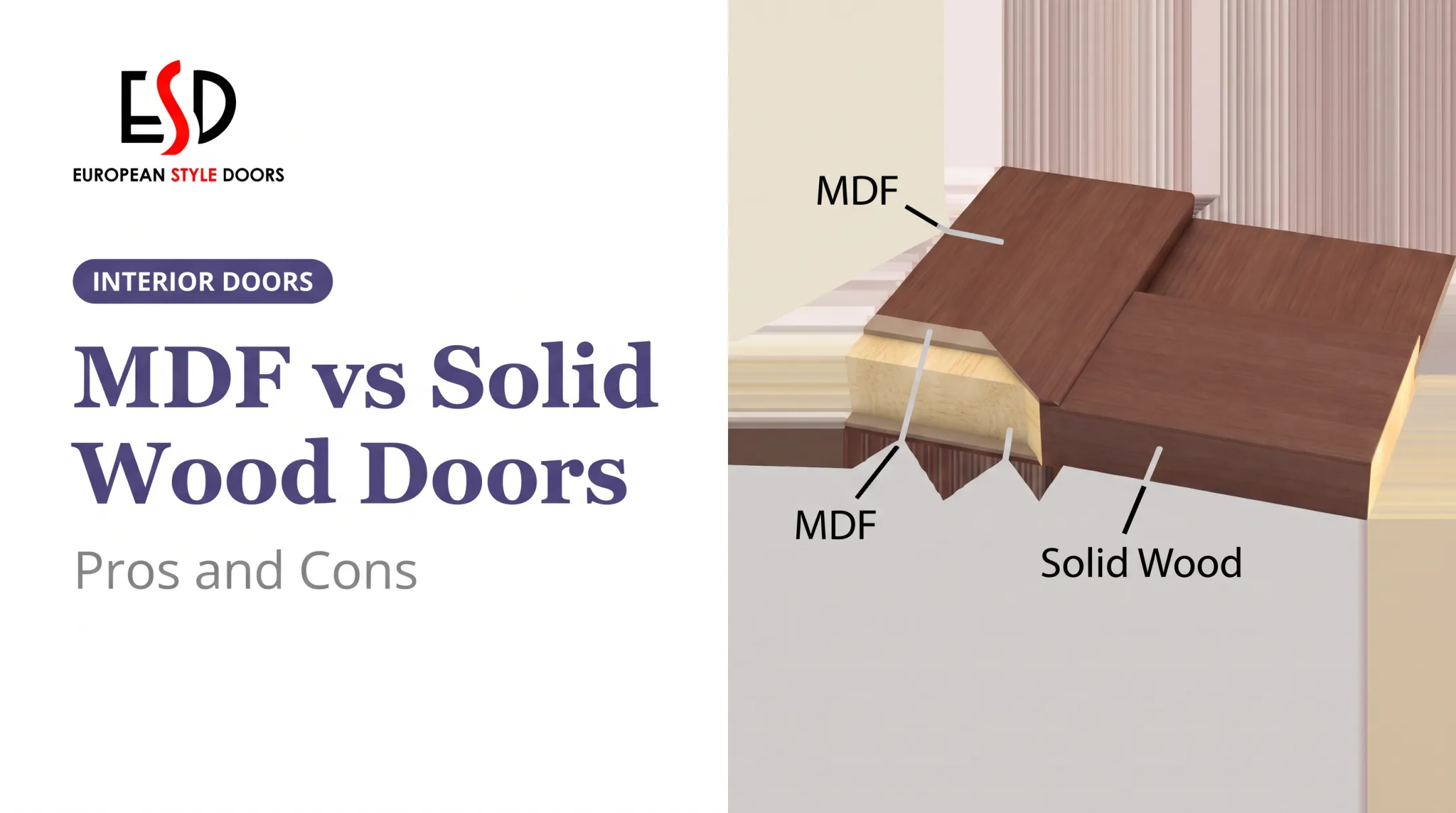
The core gives the door its structure and stability. The face (a wood veneer, a laminate, or a painted finish) determines what you see and how you clean it. These are independent decisions:
- Core material: particleboard, MDF, staved lumber, or laminated solid-wood blocks
- Face material: natural veneer, high-pressure decorative laminate (HPDL), or painted composite
- Edge treatment: how cutouts, hinges, and bottom rails are sealed against moisture
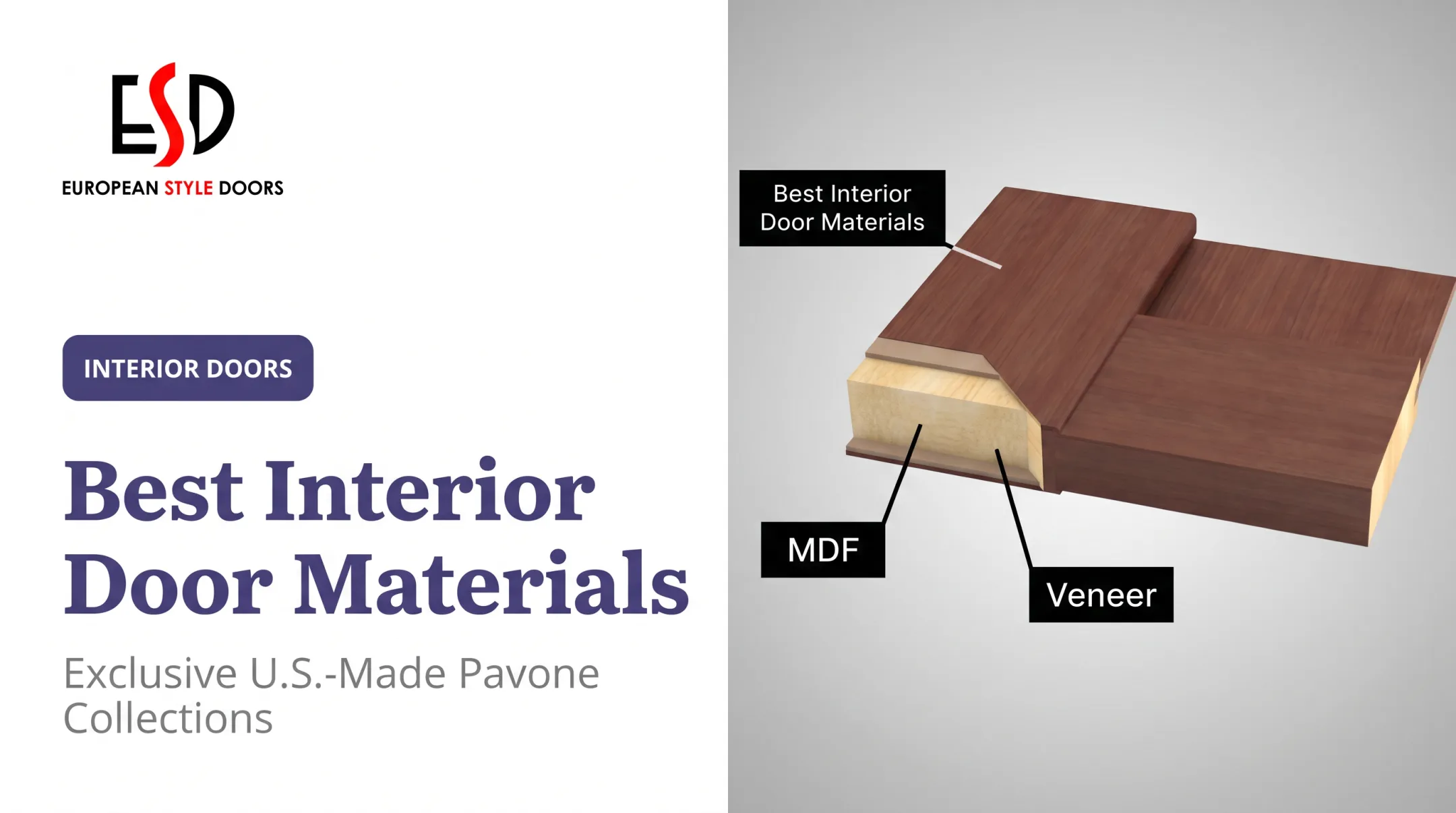
European Style Doors builds its door leaves from over-pasted pine blocks (a laminated "Euroblock" core) topped with a thin MDF layer and a natural wood veneer face. The pine blocks are glued under pressure with alternating fiber directions in each layer, a construction method intended to resist deformation, drying, and cracking over time.
Ask for Specifications, Not Labels
Before ordering, request the actual product specification: core type, face thickness, edge sealing details, and finish system. "Engineered wood" is a construction category, not a performance guarantee. Treat it as a starting point for questions, not an answer in itself.
How Are Engineered Wood Doors Constructed?
Manufacturing an engineered door generally follows this sequence:
- Preparing wood layers or fibers
- Bonding and pressing the core
- Machining the slab to size
- Applying the face material
- Sealing and finishing

For a laminated-block core like the one European Style Doors uses, dry wood blocks are selected, knots are removed, and the blocks are spliced together under pressure with varying fiber directions in each layer. The result is a rigid, re-glued wood mass rather than engineered fiberboard throughout.
A 3mm MDF layer is then applied over that core before the veneer or laminate goes on. It adds density for mechanical protection and a stable base for the face material.
Comparing the Common Face Finishes
| Finish type | What it looks like | Best for |
|---|---|---|
| Natural wood veneer | Real wood grain, varies slightly by batch | Buyers who want authentic wood character |
| German/Indian laminate | Consistent color and texture, highly uniform | Multi-door projects needing exact matching |
| Painted composite | Solid color, smooth surface | Contemporary, minimalist interiors |
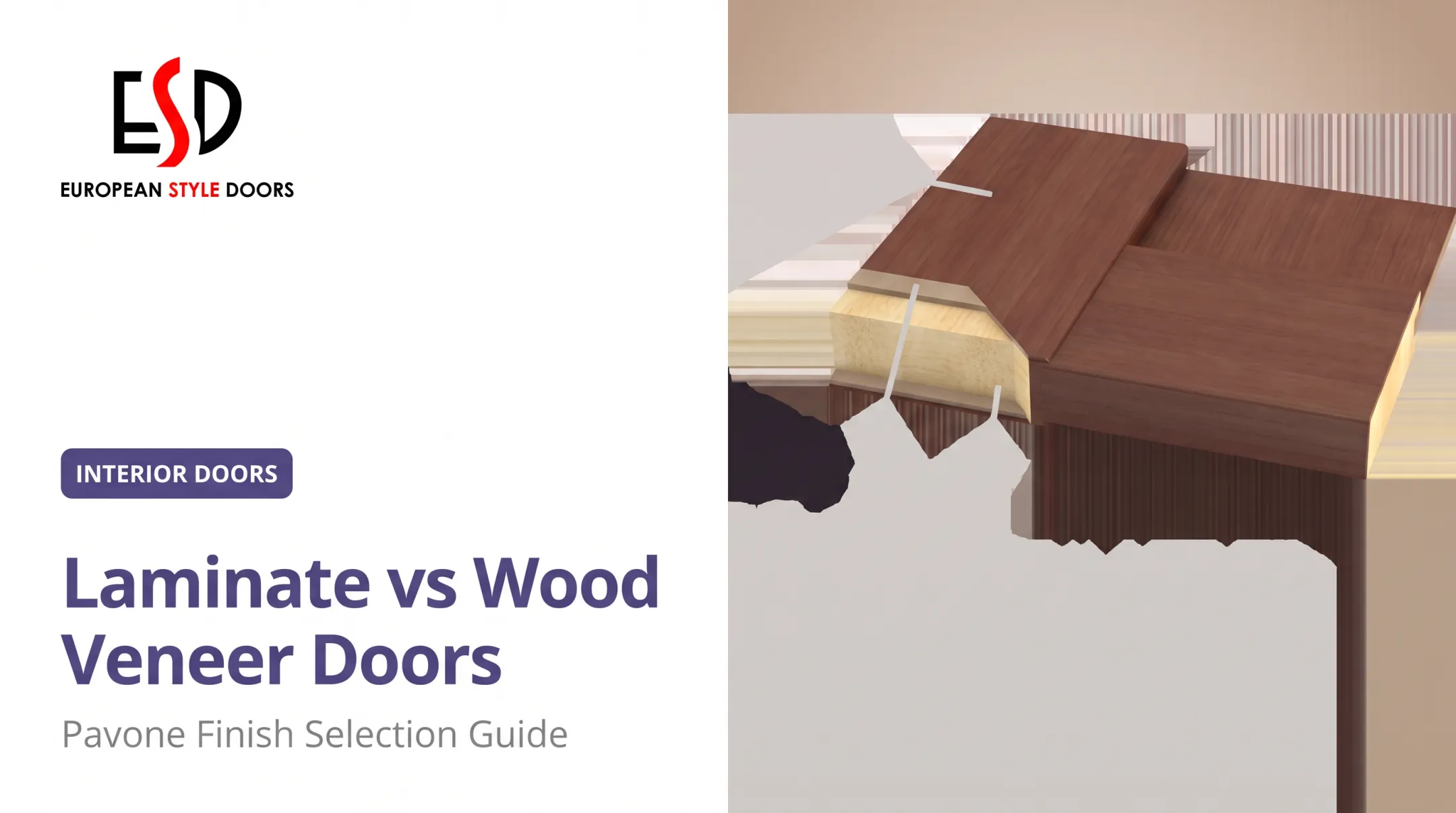
Veneer can be applied in a pattern that spans the entire door face — something that's genuinely difficult to achieve with doors cut from a single piece of natural lumber, since grain always varies from board to board.
Edges, Cutouts, and Hardware Prep
Fixtures like hinges and locksets should be embedded into the solid laminated core rather than into a softer fiberboard layer. Cutouts around hardware are also where unsealed engineered material is most exposed to moisture, so ask whether these areas are factory-sealed.
Finishing Matters as Much as the Core
European Style Doors finishes its painted products with a two-component polyurethane coating manufactured by ICA (Industria Chimica Adriatica) in Italy. The coating forms a hard, elastic film built for mechanical and chemical resistance. The finish system, not just the core, determines how well a door resists scuffs and cleaning chemicals over years of use.
Custom sizing can reduce on-site alterations significantly, but installers still need to verify opening dimensions, swing direction, and hardware specs before the door is manufactured — not after it arrives.
Benefits and Limitations of Engineered Wood Doors
Where Engineered Construction Pulls Ahead
For interior remodels, the practical advantages are fairly concrete:
- Dimensional consistency across multiple openings, useful when replacing every door in a house
- Design flexibility, since laminate and veneer faces come in far more colors and patterns than natural lumber allows
- Repeatable appearance from door to door, which solid wood can't match due to natural grain variation
- Easier handling during installation compared with some solid-lumber slabs
- Compatibility with modern, flush, minimalist styles that are harder to achieve in solid wood
European Style Doors' pine-block cores use alternating fiber directions specifically to limit the deformation, drying, and cracking that solid wood doors can experience over time.
Where You Need to Be Careful
Finishes slow moisture transfer, but they don't stop it. The Architectural Woodwork Institute makes this point directly: wood-based products still respond to changes in humidity, and a coating isn't a substitute for suitable indoor conditions, according to AWI's moisture guidance.
That means engineered doors still require sensible care:
- Avoid standing water and prolonged high humidity, even on moisture-resistant cores
- Wipe up spills promptly rather than letting them sit on the finish
- Use manufacturer-approved cleaning products; harsh chemicals can dull laminate or veneer finishes
- Understand that thin veneers and laminates generally can't be sanded and refinished repeatedly like solid lumber
The Decision Rule
If you prioritize stability, consistent sizing across many doors, and low-maintenance finishes, engineered construction is usually the stronger fit. If you want the unique grain of a single tree and the ability to refinish a door multiple times over decades, solid wood may suit you better.

Engineered Wood vs. Solid Wood Doors
Neither material wins automatically. The right choice depends on the room, the moisture exposure, traffic level, and how much upkeep you're willing to do.
| Factor | Engineered wood | Solid wood |
|---|---|---|
| Dimensional movement | Laminated, alternating-grain cores resist warping | More prone to seasonal swelling/shrinking |
| Visual character | Uniform, repeatable grain or color | Unique, natural variation per door |
| Weight/handling | Often easier to handle during install | Can be heavier depending on species |
| Refinishing | Limited by veneer/laminate thickness | Can typically be sanded and refinished many times |
| Project scale | Strong fit for whole-house consistency | Better suited to single statement doors |
Why Scale Changes the Calculation
If you're replacing every interior door in a house, or outfitting a multi-unit building, engineered construction's consistency becomes a real asset. Matching grain and color across a dozen solid-wood doors naturally cut from different trees is far harder, and far more expensive, than specifying one laminate or veneer finish across the entire order.
Installation factors also matter. Slab weight, frame condition, and whether the unit ships pre-hung or as a bare slab all affect labor time. European Style Doors supplies its Pavone doors as complete kits (door leaf, matching frame, moldings, hinges, and seals). That removes several of these variables from the installer's plate, since the components are already matched and finished.
A Quick Comparison Checklist
Before deciding, weigh:
- Appearance: do you want natural grain variation or a consistent, repeatable look?
- Stability: how much humidity swing does the space experience?
- Care: how much maintenance are you willing to do over the door's life?
- Refinishing: do you want the option to sand and restain decades from now?
- Project scale: is this one door or an entire house?
Choosing the Right Engineered Wood Door for Your Project
Start With the Room, Not the Material
Different rooms demand different things from a door:
- Bedrooms and offices: sound control and privacy matter most
- Bathrooms: ventilation and moisture exposure need to be confirmed against the product's actual rating, not assumed
- Closets and living areas: style and consistency across a floor plan tend to dominate the decision
- Fire-rated openings: these require a listed, labeled door assembly , not a general assumption about wood construction
Don't let "engineered wood" stand in for a moisture or fire rating. Ask the supplier for the specific documentation that applies to your opening.
Get the Measurements Right
Accurate measuring prevents the most common ordering mistakes. A practical approach: add about 3 inches to the opening width and 1.5–2 inches to the slab height when sizing a replacement . For example, a 28-inch opening typically calls for a 31-inch-wide unit.
Jamb depth matters too. Standard 2x4 walls with drywall generally need a jamb around 4-9/16 inches, while 2x6 walls typically call for roughly 6-9/16 inches. Plaster or thicker drywall can require an extension or adjustable jamb, according to Fine Homebuilding's door guide.

European Style Doors' jambs are built to cover a range of wall thicknesses, which helps when a project includes walls of varying depth.
Confirm Before You Order
Before placing an order, verify:
- Core material, face type, and edge sealing details
- Warranty terms and any moisture-related exclusions
- Whether the unit arrives as a slab, pre-hung door, or complete kit
- Lead time and delivery condition
- Swing direction and handing, ideally with a sketch sent to the supplier
For whole-house replacements or openings that aren't standard sizes, professional measuring removes most of the guesswork. European Style Doors includes free measurement with its custom door design service, with typical turnaround running one to two weeks once specifications are confirmed.
Engineered Wood Doors from European Style Doors
European Style Doors is the exclusive U.S. distributor of Pavone Designs Inc. interior doors, selling directly to homeowners, architects, designers, builders, and housing developers across the country. The collections, including California, Elite, Modern, Glamour, and Elegant, are built around exactly the construction questions this guide covers: core material, face finish, and edge detailing.
For engineered construction specifically, the relevant options include:
- Natural wood veneer faces over a laminated pine-block core and MDF layer
- German and Indian laminate finishes for consistent color across multi-door projects
- Custom styles, sizes, and finishes built to the opening rather than forcing the opening to fit stock sizes
For remodel buyers, the full install package matters as much as the door leaf. Each door comes as a complete kit with frame, moldings, hinges, handles, and seals, already finished so no priming or painting is required afterward. Custom sizing is designed to avoid wall modifications, and the company offers nationwide delivery along with optional professional installation.

If you're planning a remodel, a custom home, or a multi-door project, call European Style Doors at 1(800) 705-1399 to go over measurements, finish selection, door format, and installation timing before you order.
Frequently Asked Questions
What is an engineered door?
An engineered door is built from bonded wood layers, veneers, fibers, or composite wood components rather than one continuous piece of solid timber. The core and face materials vary by manufacturer, so it's worth asking exactly what's inside.
Is engineered wood good for doors?
Yes, for most interior applications — engineered construction offers stability, consistent sizing, and a wide range of finishes. Quality and suitability still depend on the specific core, face material, and the room's moisture exposure.
What is an integrated door?
"Integrated door" usually describes a coordinated system supplied with the frame, hardware preparation, trim, or installation components bundled together. Definitions vary by supplier, so confirm exactly what's included before comparing quotes.
How does an engineered wood door compare with a solid wood door?
Engineered doors generally offer better dimensional stability and more consistent appearance across multiple units, while solid wood offers unique natural grain and more extensive refinishing potential. The better choice depends on your room's conditions and how much upkeep you want to commit to.
How should you maintain an engineered wood door?
Dust regularly, wipe up spills promptly, and avoid harsh chemicals or excess water on the finish. Always follow the manufacturer's specific care instructions for your door's veneer, laminate, or painted surface.