
Introduction
Picking a door material sounds simple until you're standing in a showroom comparing a smooth painted MDF slab to a grain-rich solid wood panel. Both can look fantastic. They just perform very differently once installed.
This decision affects more than aesthetics. It shapes how doors handle humidity, how much they weigh, how easily you can fix a scratch years later, and what the project costs from day one.
Whole-house renovations, custom builds, apartment turnovers, and single-door replacements each carry different priorities. The right material shifts with the room and the budget.
This guide breaks down what MDF and solid wood actually are, where each one shines, and where each one struggles.
You'll get a practical comparison on cost, finish, moisture resistance, durability, and installation, plus a selection framework for matching material to project. No universal winner here, just the information you need to make the call for your own space.
Key Takeaways
- Smooth, grain-free MDF suits paint or laminate; solid wood shows natural grain best suited to staining.
- Lower upfront cost and humidity stability favor MDF, though unsealed edges can swell with water exposure.
- Solid wood sands and refinishes well after damage, though it can expand, contract, or warp with humidity swings.
- The better choice depends on room moisture, finish goals, traffic levels, and overall door assembly quality.
MDF vs. Solid Wood Doors: Quick Comparison
Before getting into construction details, here's how the two materials stack up on the factors that matter most for interior doors.
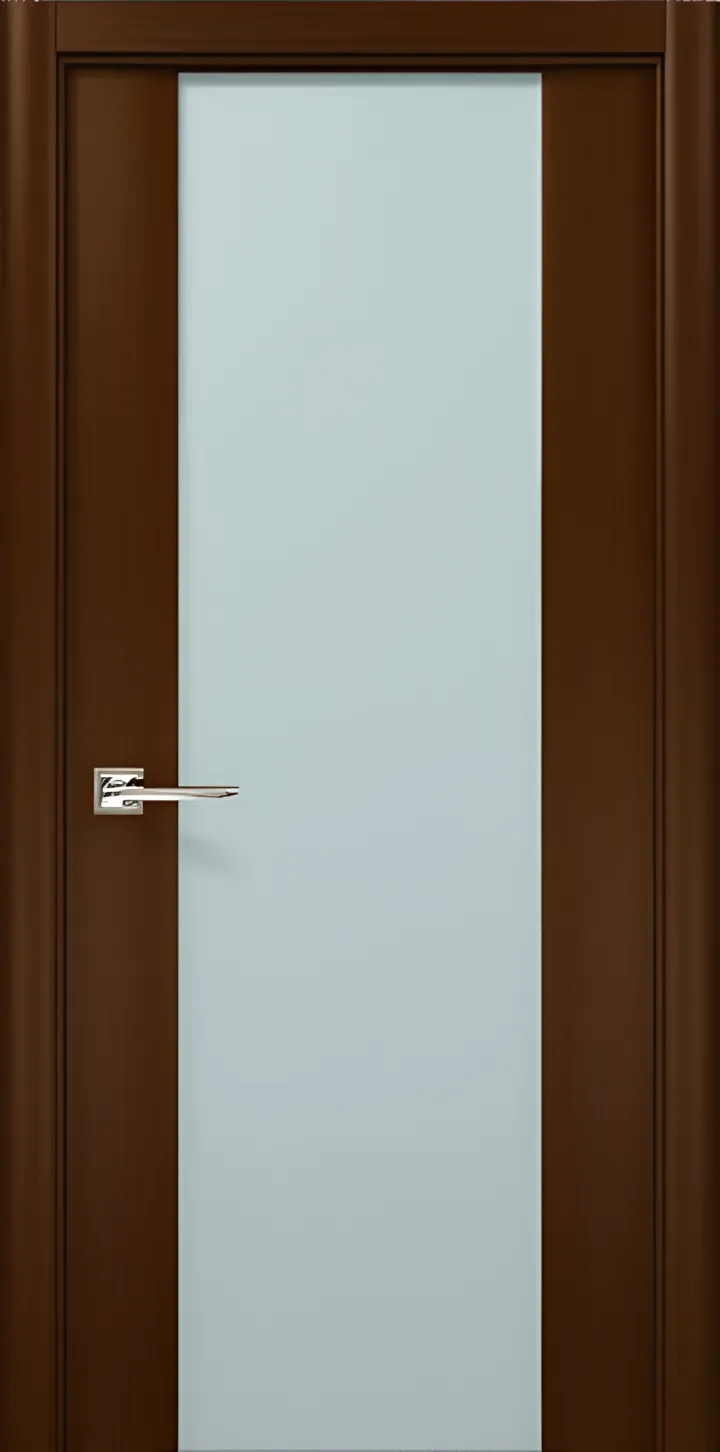
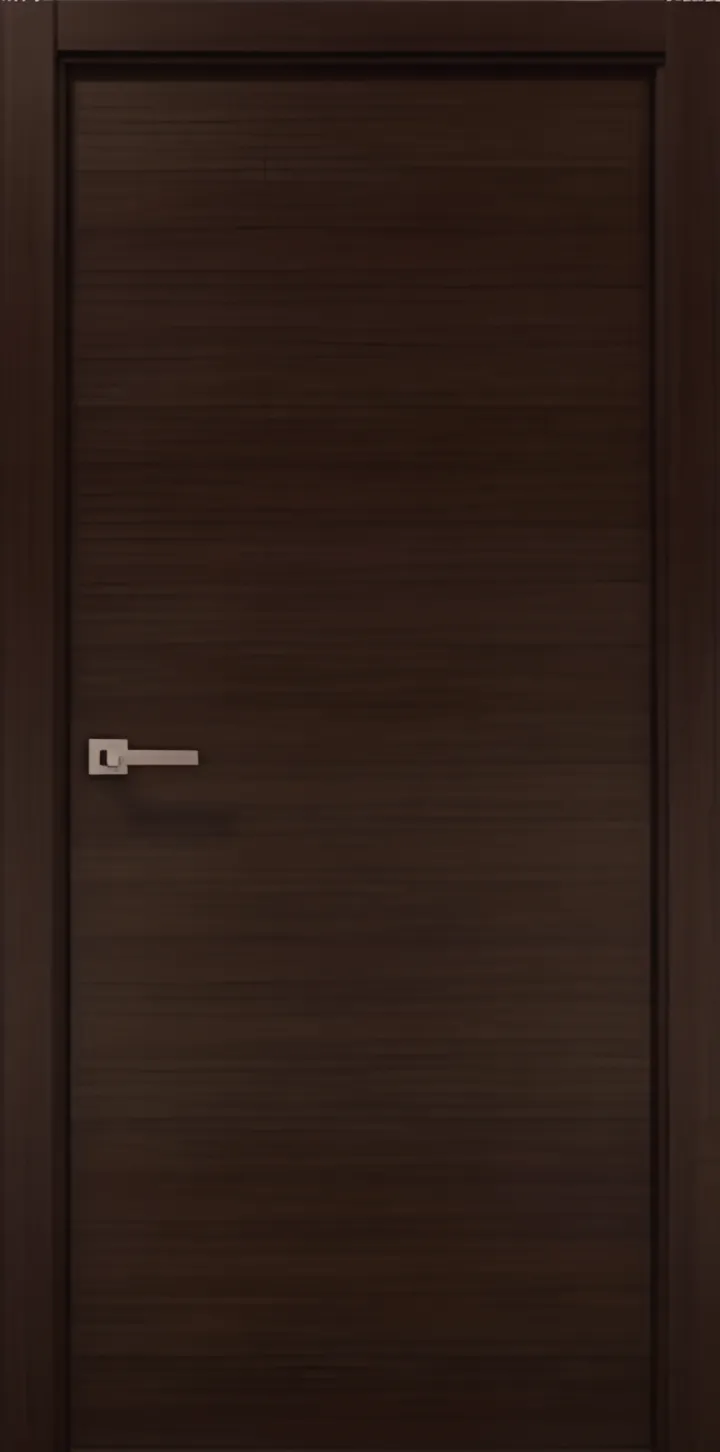
Cost
MDF doors are often the more budget-conscious choice. Refined wood fibers, resin, and repeatable hot-press manufacturing create a consistent panel at a controlled cost. Paint-grade finishes don't require matching rare grain patterns, either.
That said, there's no universal MDF price. Size, core type, thickness, hardware prep, and installation all move the total.
Solid wood pricing swings more widely. Species selection, grade, joinery, custom milling, and finish quality add cost, and rare or wide-grain species push prices higher still. The upside is refinishing value. A well-built solid wood door can be sanded and restained multiple times, which can offset the higher purchase price for buyers planning to stay put.
Appearance and Finish
MDF's grain-free surface is close to ideal for smooth painted, lacquered, or laminate finishes. It's a strong fit for contemporary or European-inspired interiors where color consistency across multiple doors matters more than natural texture.
Solid wood brings grain, knots, and color variation that laminate can't replicate. For stained or clear-coated doors, species character does the visual work, which makes solid wood the default for traditional or rustic design schemes.
Stability and Moisture
Standard MDF resists some dimensional movement that wood experiences with ordinary humidity swings, but it isn't waterproof. Manufacturer test data shows standard-grade MDF can swell at unsealed edges when exposed to water, while moisture-resistant (MR) MDF performs better in humid interiors, though still not under direct wetting, according to MEDITE's MR datasheet.
Edges are more porous than faces and need proper sealing regardless of grade.
Solid wood moves with moisture content, expanding and contracting across the grain as humidity shifts. Acclimating wood before installation, sealing all six sides, and keeping indoor climate reasonably stable all reduce movement. None of that eliminates it entirely.
Durability and Repairability
MDF handles routine humidity-driven cracking and warping well in appropriate interior conditions. Its weak points are:
- Deep dents and chipped edges from dragging or sliding
- Screw pull-out at unreinforced edges
- Difficult spot repairs once water reaches the core
Solid wood's repairability is its strongest card. Scratches, dents, and worn finish can usually be sanded out and refinished. Species matters too: harder woods like red oak tolerate daily impact better than softer species like pine, so the choice of species affects real-world durability as much as the "solid wood" label itself.
Installation and Performance
MDF doors tend to be dense and heavy, which calls for proper hinges and careful handling during installation. Solid-core MDF construction, paired with quality seals, can still perform well acoustically. One manufacturer's published ratings show MDF and wood doors hitting STC 33 and STC 32 under one sealing setup, and both at STC 30 under another, per TruStile's sound ratings.

That gap can close to zero depending on the seal package. Installation quality often matters more than the material itself.
Solid wood doors generally offer solid screw-holding and hardware compatibility. Weight, frame fit, and finish quality still vary by manufacturer and door design, so neither material guarantees performance without a well-built frame and careful installation.
MDF and Solid Wood Doors: What They Are and Where They Work
MDF Doors
Medium-density fiberboard is an engineered wood panel made from refined wood fibers, bonded with resin, and compressed under heat and pressure. It's denser and more uniform than particleboard, which uses larger wood particles rather than refined fibers.
In a finished door, MDF might form the entire slab, a decorative face layer, or one component within a more complex assembly.
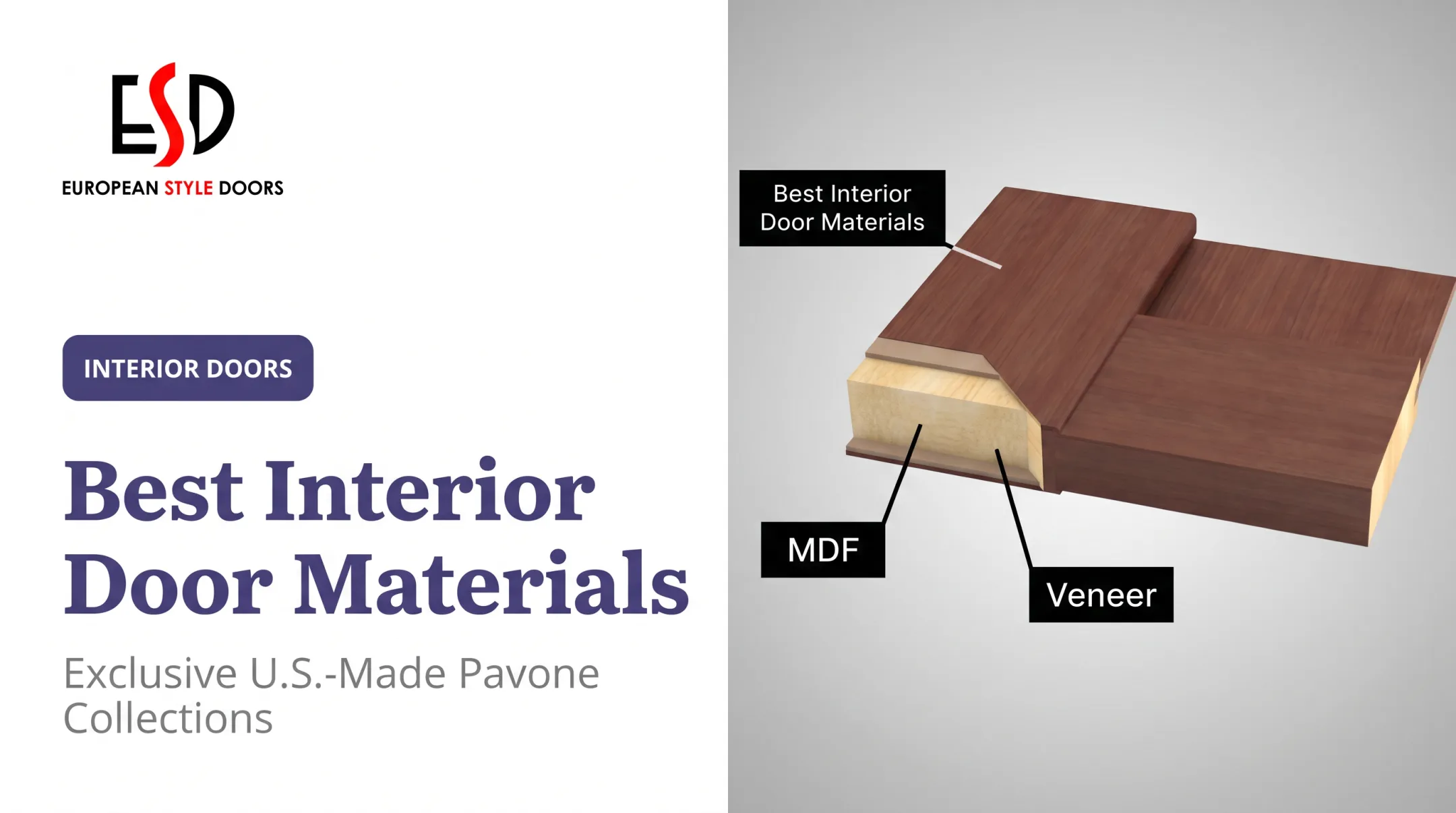
European Style Doors, for example, builds its interior door leaves around a core of re-glued pine blocks, with fiber direction alternating by layer to resist deformation, topped with a 3mm MDF layer that forms the base for wood veneer or laminate finishes.
That layered approach is common across the industry. MDF rarely stands alone as a full-thickness slab in quality doors.
MDF advantages:
- Smooth, consistent surface for clean paint results
- Design flexibility across laminate, veneer, or painted finishes
- Repeatable sizing for multi-door projects
- Resistance to some grain-related warping
MDF limitations:
- Vulnerable to water damage at exposed or poorly sealed edges
- Heavier than some alternatives
- Harder to repair after deep damage
- Lower fastener-holding strength at unreinforced edges
Ask about moisture-resistant (MR) versus standard MDF, solid-core versus hollow-core construction, and how edges are sealed.
The EPA regulates formaldehyde emissions from composite wood products, including MDF, with a consumer emission limit of 0.11 ppm for standard panels under EPA's formaldehyde standards. Ask your supplier for compliance documentation.

Solid Wood Doors
Solid wood doors are made primarily from natural lumber, but "solid wood" doesn't mean every component is one uninterrupted piece. Rails, stiles, and panels often combine solid lumber with engineered reinforcements or edge-glued construction for stability.
Solid wood advantages:
- Natural grain, color variation, and tactile quality
- Strength and impact tolerance, species dependent
- Can be sanded, touched up, repainted, or refinished
Solid wood limitations:
- Higher, less predictable cost
- Movement from humidity changes
- Possible warping or cracking if poorly sealed
- Ongoing care requirements
Worth asking about: hardwood versus softwood species, painted versus stain-grade construction, panel doors versus flush doors, and how much engineered reinforcement sits inside a "solid wood" product.
Use Cases for MDF
MDF fits projects prioritizing a uniform painted look, contemporary styling, or repeatable finishes across many doors on a budget. Good applications include:
- Bedrooms, offices, and living areas
- Closets and wardrobes
- Whole-house or multi-unit projects with matched specifications
Use caution in bathrooms, laundry rooms, areas near standing water, or spots requiring unusual hardware loads. Check the manufacturer's moisture rating before specifying MDF there.
Use Cases for Solid Wood
Solid wood suits projects where visible grain, a stained finish, and long-term refinishing potential matter most. Good applications include:
- Studies and libraries
- Formal living areas
- Statement feature doors
Even here, solid wood needs sealing, acclimation, and climate-aware installation in humid or rapidly changing environments. It isn't inherently moisture-proof, just more forgiving to repair once moisture causes damage.
MDF vs. Solid Wood Doors: Which Is Better for Your Project?
Neither material wins universally. The right call depends on finish goals, moisture exposure, traffic, repair expectations, budget, door weight, acoustic needs, and your timeline.
Choose MDF when:
- You want a smooth painted finish across multiple openings
- Consistent appearance and custom color coordination matter more than grain
- Budget control is a priority
- Natural grain variation isn't part of the design vision
Choose solid wood when:
- Visible grain and stain or clear finishes are central to the look
- You want stronger long-term repairability
- The door is meant to become an architectural feature
- Natural material character outweighs cost sensitivity
Match Material to Room Conditions
Dry, climate-controlled rooms, like bedrooms, offices, and living areas, work well with either material. Higher-moisture spaces need more scrutiny: check edge sealing, product moisture rating, ventilation, and installation details before you order.
Look Beyond the Face Material
The face material is only part of the equation. Evaluate:
- Solid-core versus hollow-core construction
- Door thickness and seal quality
- Frame quality, hinges, and latch prep
- Acoustic performance data, where available
- Fire-rating requirements, if applicable
- Overall installation quality
A Practical Buyer Checklist
Before ordering, ask your supplier:
- What's the exact core and face construction?
- Is the product moisture-resistant, and to what standard?
- What does the finish warranty cover?
- How are edges sealed and treated?
- What's the repair procedure if damage occurs?
- Does the door need acclimation before installation?
- Can it be custom-sized, and what's the lead time?
- How is the door protected during delivery?
- Does it arrive installation-ready, or will on-site finishing be required?
Homeowners, architects, designers, and contractors can run these same questions against European Style Doors' options. The company's custom door kits combine MDF layers over re-glued pine cores with wood veneer or laminate finishes.
Kits ship nationwide with free measurement and optional professional installation, which fits projects that want a complete, installation-ready package rather than separate material sourcing.
Real-World Applications and Selection Examples
Whole-House Interior Remodel
A common approach: specify MDF for a consistent painted finish across bedrooms, closets, and home offices, then reserve solid wood for one feature room, like a study with a stained door that anchors the design. This keeps ordering and finish-matching simple for the bulk of the project while still allowing a standout piece.
High-End Custom Home or Heritage-Inspired Interior
Solid wood often wins when visible grain, tactile quality, and refinishing potential are design priorities. The tradeoff is moisture management. These projects need:
- Proper finishing on all six sides
- Allowance for natural seasonal movement, especially in climates with big humidity swings
Apartment, Condo, or Repeat-Unit Renovation
MDF or similar engineered construction supports consistent sizing and repeatable finishes across many units, which simplifies specification and budgeting. Before committing to one product building-wide, verify:
- Durability under daily traffic
- Hardware fastening strength
- Sound expectations between units
Home Office, Media Room, or Bedroom
Door mass, seal quality, and frame fit influence sound reduction more than material alone. The TruStile results cited earlier show MDF and wood doors landing at nearly identical sound ratings depending on the sealing package, which means assembly quality, not just the face material, drives acoustic performance.

If you're planning a custom interior-door package, discuss measurements, finish preferences, material suitability, and installation requirements with a supplier like European Style Doors before placing an order. That conversation catches mismatches between material and room conditions before they become expensive problems.
Conclusion
MDF is often the practical pick for consistent painted finishes, repeatable door packages across many openings, and budget-conscious interiors. Solid wood tends to win out where natural grain, a stained finish, strong repairability, or a traditional architectural statement matter more than cost control.
The material alone does not decide long-term performance. These factors also shape how a door holds up over the next decade:
- Core construction and edge sealing
- Moisture exposure and frame fit
- Hardware quality and warranty coverage
- Installation support
Whichever direction you lean, compare the complete door system rather than MDF versus solid wood in isolation. A well-built MDF door with proper edge sealing can outperform a poorly finished solid wood door, and vice versa.
Frequently Asked Questions
Are MDF doors cheaper than solid wood?
Generally, yes. MDF tends to cost less upfront than solid wood, though size, core type, finish, customization, hardware, shipping, and installation all affect the final price on both sides.
Is MDF a better choice for doors than solid wood?
It depends on your priorities. MDF often works better for smooth painted finishes, consistent appearance, and cost control, while solid wood suits natural grain, staining, strength, and refinishing.
Are MDF doors good quality?
Quality depends on fiberboard grade, core construction, thickness, finish, edge sealing, hardware prep, and installation, not the MDF label alone. A well-built MDF door can outperform a poorly made solid wood one.
Is MDF good for interior doors?
MDF works well for interior doors in dry, climate-controlled spaces. Standard MDF should be protected from prolonged water exposure and extreme heat or humidity; moisture-resistant grades handle damp interiors better.
Can you use MDF as a door frame?
MDF slabs and frame components are different products. Frame suitability depends on the specific product, load requirements, hardware, moisture conditions, and the manufacturer's installation instructions, so check before specifying.
Is MDF the same as fiberboard?
MDF is one type of fiberboard, made from refined wood fibers at medium density. It differs from low-density fiberboard and high-density fiberboard (hardboard), which use different densities and manufacturing processes.