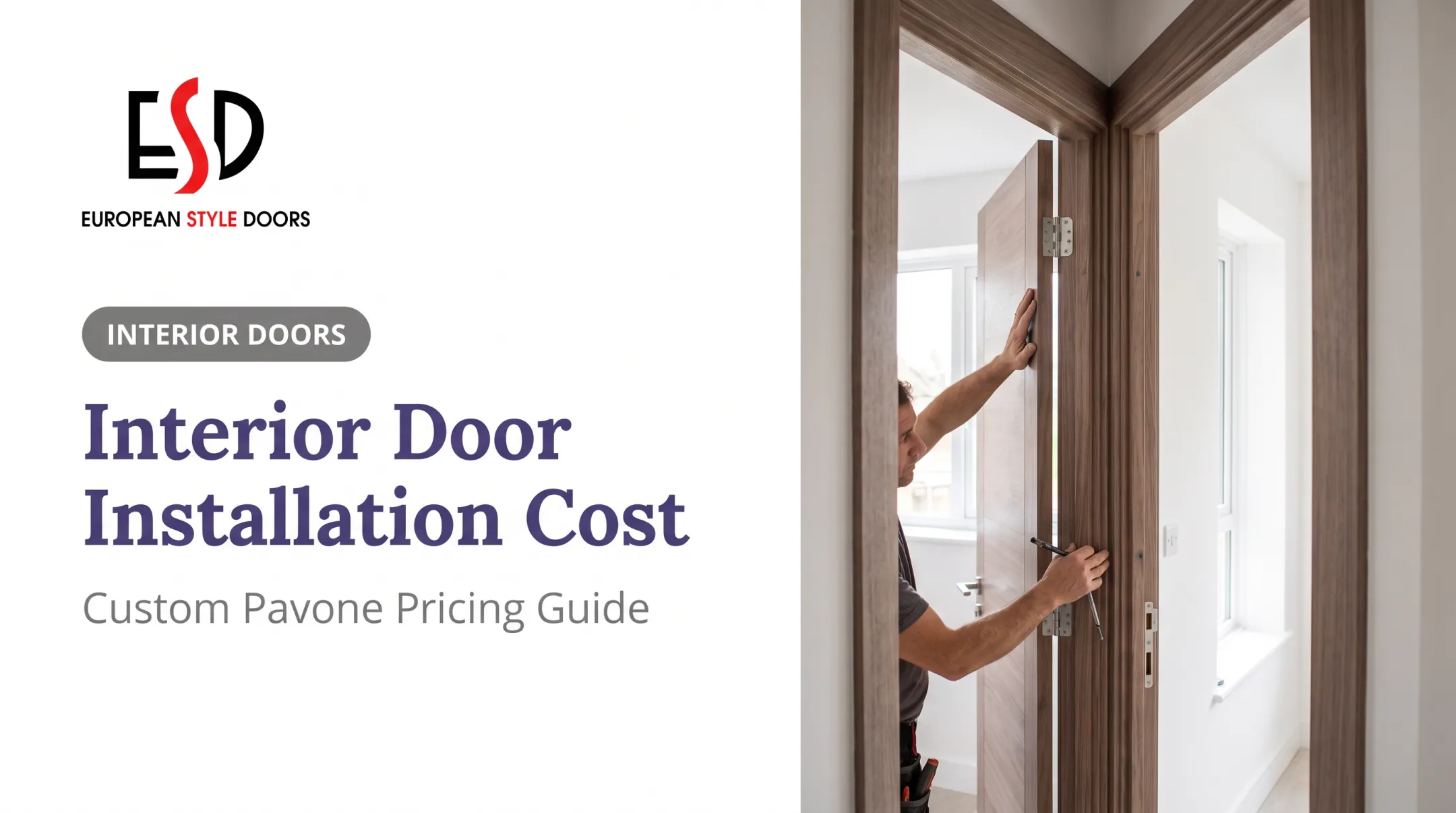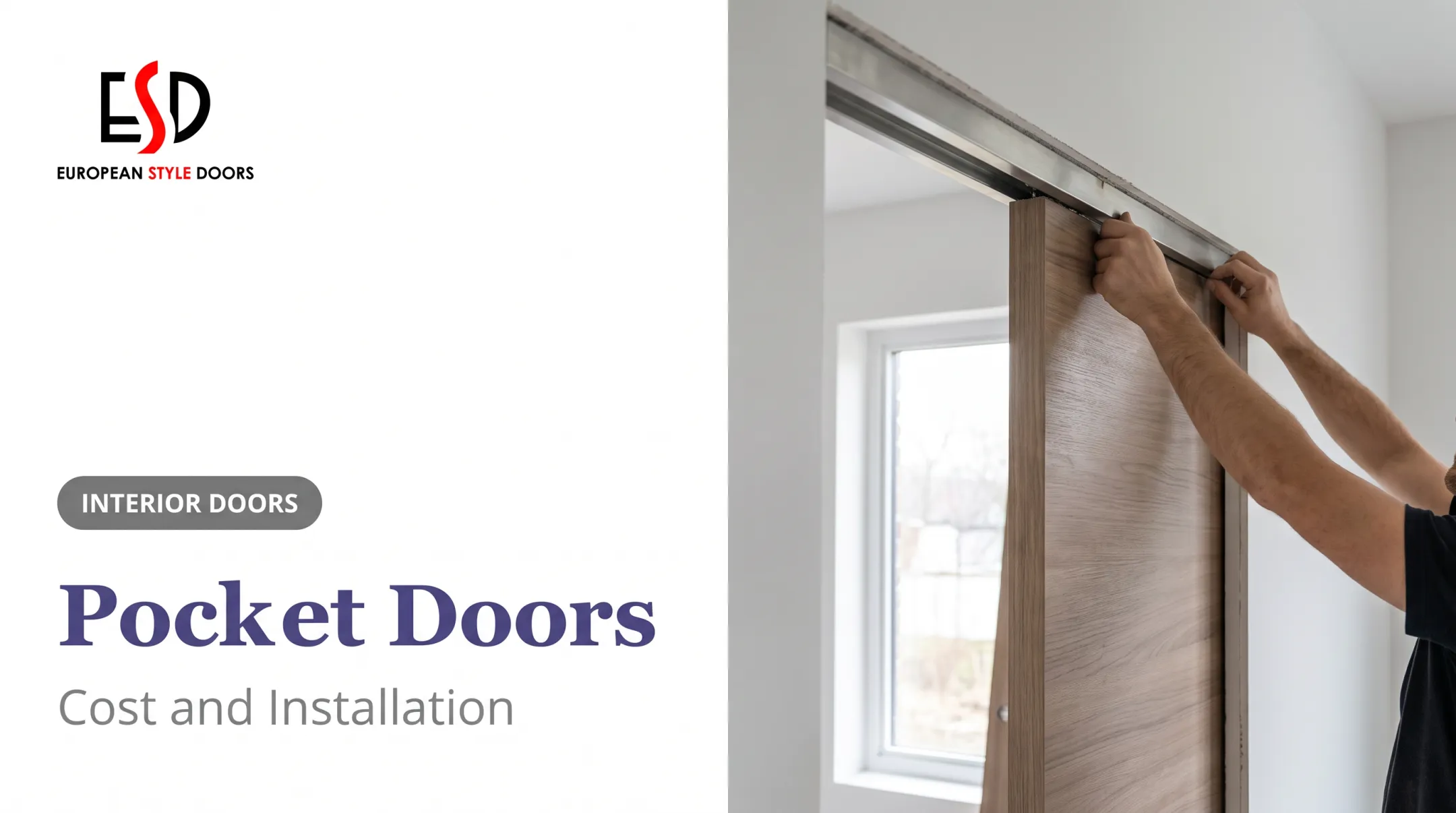

This guide focuses on custom interior doors in the US market. While we touch on other types, exterior and front doors have different cost structures due to weatherproofing, security features, and building code requirements that fall outside the scope of this article. We'll break down pricing ranges, the key factors that drive costs, and what to look for in a quote to budget accurately for your project.
Key Takeaways
- A single custom interior door slab can range from $300 to over $3,000, with fully installed projects often costing more.
- The main cost drivers are door size, material, finish, design complexity, hardware, and whether you're buying a slab or a complete kit.
- A complete, pre-finished door kit simplifies installation and eliminates the need for separate painting, priming, or hardware sourcing.
- The best budget balances upfront cost with long-term value, considering durability, maintenance, and installation quality.
How Much Does a Custom Door Cost? (Pricing Overview)
There's no single national price for a custom door because every project is unique. The price combines the product itself and the services needed to make it fit your home. We've broken pricing into three practical tiers based on recent market examples.
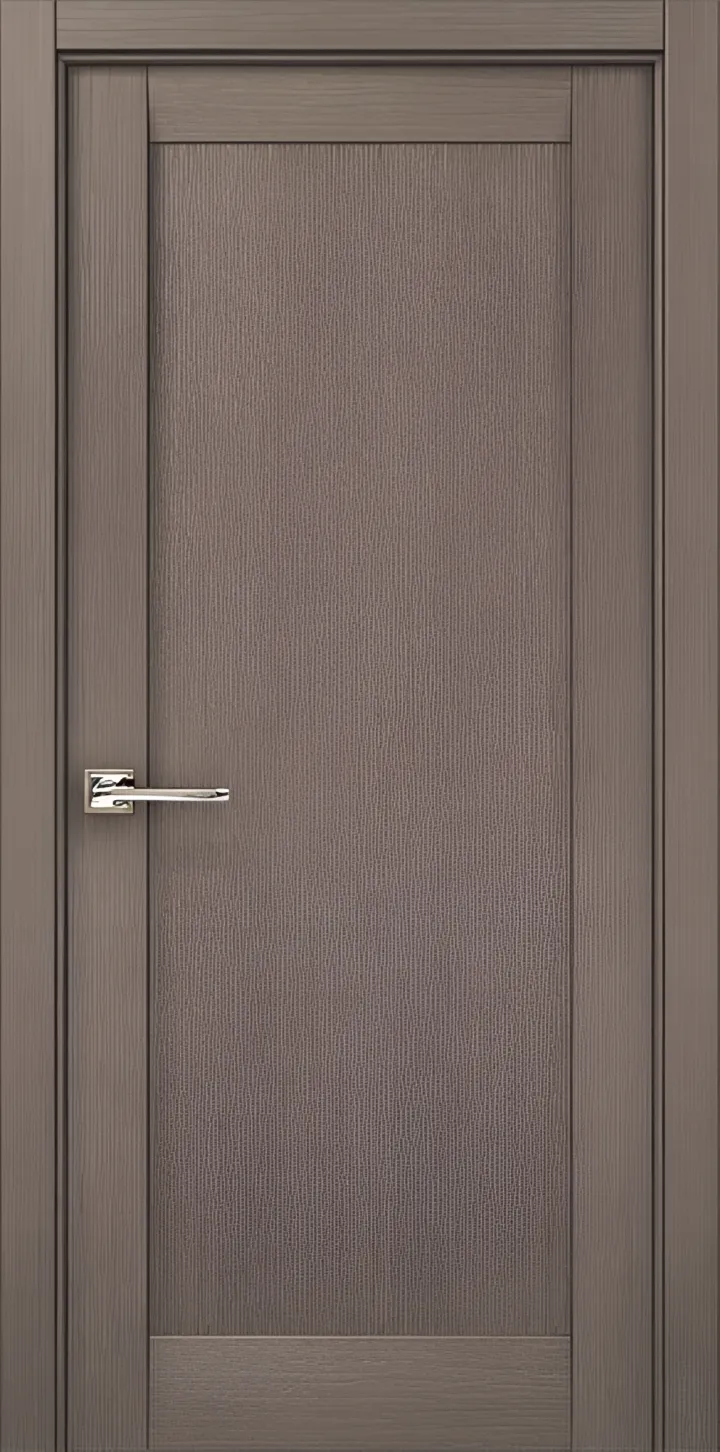
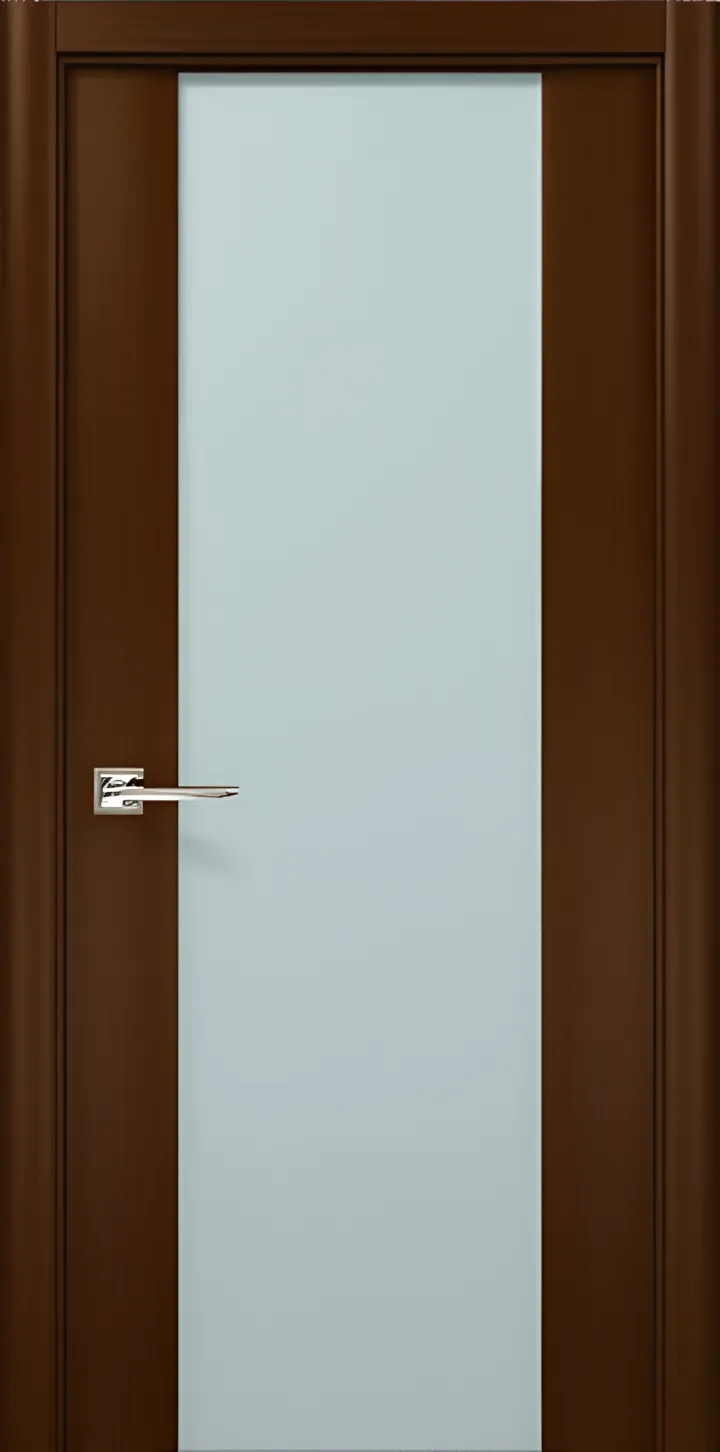
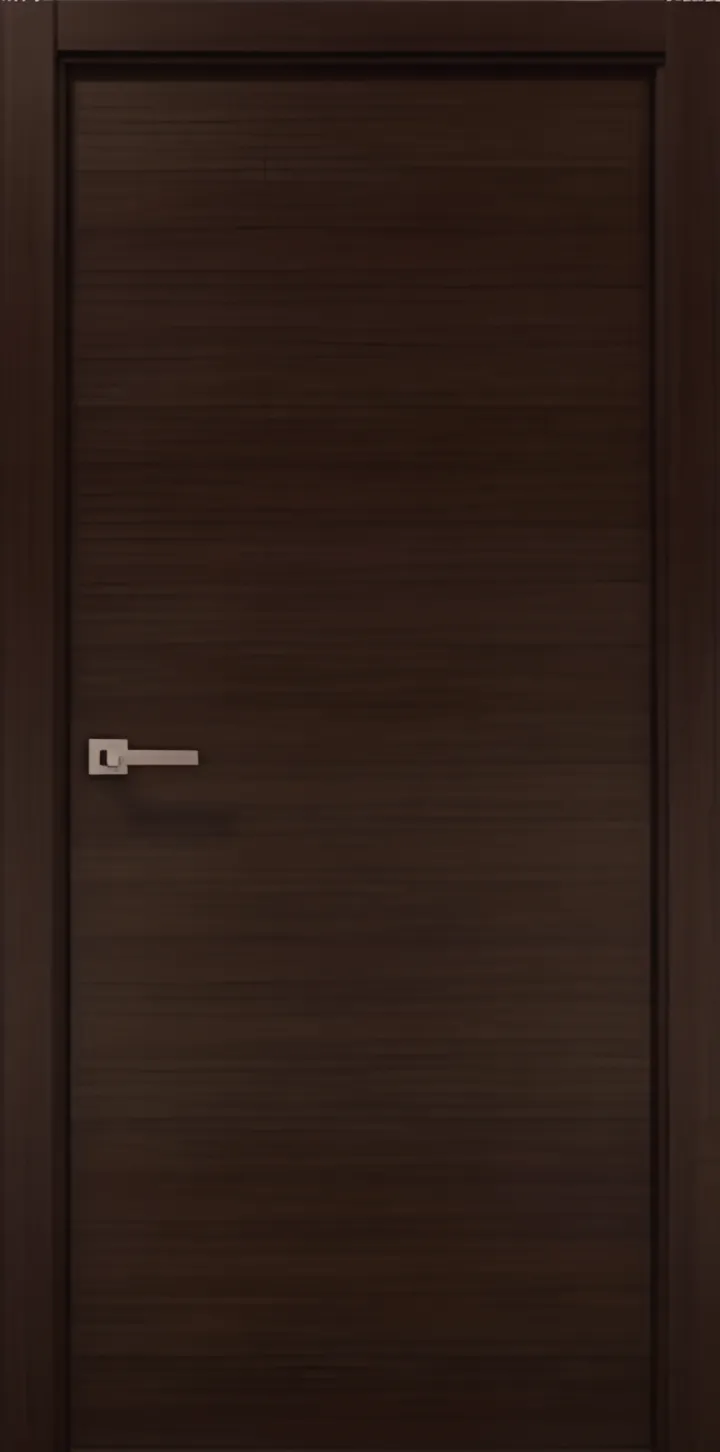
Entry-Level Custom Doors: ($300 – $700 per door slab)
This tier typically covers solid wood or paint-grade doors in near-standard sizes with minor customizations. For example, some suppliers offer basic pine or poplar slabs in this range, but often with conditions like a minimum order of six doors. One manufacturer's price list shows that choosing an odd size adds a $65 surcharge on top of the next-largest standard size price.
These prices are almost always for the door slab only. You should expect to pay separately for the frame, hinges, handles, finishing (painting or staining), delivery, and installation.
Mid-Range Custom Doors: ($1,300 – $2,000 per door slab)
In this range, you gain access to more significant customization in size, materials, and factory-applied finishes. You can find doors made to fit non-standard openings perfectly, eliminating the need for costly wall adjustments.
A recent quote for a TruStile interior door provides a real-world example. A custom-sized poplar slab measuring 40 x 96 inches with a premium factory-primed finish was quoted at $1,764, according to a 2026 project quotation. This price is for the door only, excluding the frame, hardware, and installation.
Premium & Individually Crafted Doors: ($2,800+ per door slab)
This tier is for projects requiring oversized dimensions, specialty materials, complex designs, or a fully coordinated system. Unfinished, made-to-order solid wood slab examples from some boutique makers start between $2,840 and $3,960. These are often starting points, with the final price depending on the wood species, glass inserts, hardware, and finish selection.
At this level, you might also find complete European-style door systems. For instance, suppliers like European Style Doors offer a complete package that includes the custom-sized door, a matching frame, casings, hinges, and handles, all pre-finished and ready for installation. This approach simplifies budgeting by bundling many of the easily overlooked costs into one clear quote.

Front doors, exterior doors, and vinyl (uPVC) doors sit in a different category. Their materials, security features, and weather-resistance requirements mean their pricing should not be compared directly to interior doors.
Key Factors That Affect Custom Door Cost
The total cost of your custom door project is a sum of its parts. Understanding what drives the price will help you compare quotes accurately and decide where to invest your budget.
Door Type, Configuration, and Dimensions
The door's basic function is a primary cost factor. A standard single swing door is the most straightforward, but other configurations require more material, specialized hardware, and complex labor.
- Single vs. Double Doors: A double door isn't just twice the price of a single. It needs a second slab, more hinges, and hardware like ball catches or flush bolts.
- Slab vs. Pre-Hung System: A slab is the door panel alone. A pre-hung door arrives mounted in its frame with hinges. Complete systems from European Style Doors also include matching trim and hardware in one ready-to-install kit.
- Specialty Configurations: Pocket, barn, and concealed "invisible" doors need unique tracks or hinges. A basic barn door hardware kit alone can run $320 to over $940, per RealCraft's hardware listings, before you buy the door.
- Dimensions: Non-standard height, width, or thickness raises cost. A custom-sized door is often cheaper than paying a contractor to reframe an opening for a standard size.
Material, Construction, and Finish
The materials used for the door's core and surface have a major impact on its appearance, durability, and price.
A price schedule from Homestead Interior Doors shows how the cost of a solid wood slab can vary based on species, even for the same design (note: these prices are for bulk orders):
- Paint-Grade Poplar: $318 - $385
- Red Oak: $365 - $432
- White Oak: $655 - $723
- Walnut: $891 - $972
Beyond solid wood, other popular options include:
- Engineered Core: Many high-quality doors use an engineered wood core (like solid MDF or laminated strand lumber) for improved stability and to prevent warping.
- Wood Veneer: A thin layer of real wood is applied over an engineered core, offering the look of exotic wood at a more accessible price.
- Laminates: German or Indian laminates provide a durable, consistent, easy-to-clean finish across a wide range of colors and textures.
- Finish: A factory-applied paint, stain, or lacquer costs more upfront but skips hiring a painter and usually yields a more durable, even surface than on-site work.
Design Complexity and Hardware
Elaborate designs and premium hardware can raise the price. Details like routed patterns, inset metal strips, or glass panels add manufacturing time and cost.
Hardware is another area where costs can vary dramatically. While a basic set of hinges might be inexpensive, premium options add up.
- Concealed Hinges: These create a clean, flush look but are more expensive and require precise installation.
- Magnetic Latches: Offer a quiet, soft-close feel and are a popular feature in modern European-style doors.
- Handles and Locks: A standard lever stays affordable; a designer handle or premium mortise lockset can run several hundred dollars.
When getting a quote, always confirm which hardware is included and which is considered an optional upgrade.
Frame, Site Conditions, and Installation
The cost of installation depends heavily on the condition of your existing opening.
- Existing Frame: If you have a square and solid existing frame, installing a new door slab is relatively simple.
- New Frame/Kit: If the frame needs to be replaced, you're looking at a more involved process. A complete kit simplifies this by providing a matching frame and trim designed to work together.
- Site Prep: Costs can increase if your project requires removing old doors and frames, repairing drywall or flooring, or making structural changes to the opening.
Buying a complete, pre-finished kit can cut labor cost. The door, frame, and hardware are built to work together, and finishing is already done, so install goes faster with less on-site coordination.
European Style Doors offers professional installation as an optional service, so you get a proper fit without hunting down a separate contractor.
Quantity and Project Scale
How many doors you order also affects per-door cost. One unique door often costs more per unit than a whole-house package.
On larger jobs (full renovations, new builds, or multi-unit work), suppliers may price better thanks to manufacturing, finishing, and delivery efficiencies.
Low-Cost vs. High-Cost Custom Doors—What’s the Difference?
When comparing custom doors, "low-cost" and "high-cost" usually refer to different specifications and project scopes, not necessarily good vs. bad quality. Here’s what you typically get at each end of the spectrum.
Performance and Construction
A lower-priced custom door might have a simpler construction, such as a hollow core or a basic solid-wood design. It may offer fewer design choices and only slight modifications to standard dimensions.
A higher-cost door often features more advanced construction designed for better performance and longevity.
- Engineered cores: Solid MDF with laminated-strand-lumber components (as used by makers like TruStile) resists warping and holds hardware more securely.
- Acoustic performance: Purpose-built acoustic doors can reach STC 40 or higher, well above a standard solid door, and suit offices, bedrooms, or home theaters.

Installation and Maintenance
A low upfront price on a door slab often means more work for the buyer. You may need to handle:
- Priming, painting, or staining the door
- Sourcing and fitting the hardware
- Coordinating installation yourself
A higher-cost door frequently comes as part of a complete, installation-ready system. For example, the kits from European Style Doors arrive pre-finished with the frame, casings, and hardware included. That setup simplifies install and delivers a consistent factory finish that holds up better and needs less upkeep than a hand-painted door.
Long-Term Value
The cheapest quote isn't always the best value. A low-cost door might save you money today but could require refinishing, adjusting, or even replacement sooner. For high-traffic areas or a whole-house renovation where consistency and durability are key, investing more in a well-constructed, factory-finished door system often makes more sense.
The key is to avoid both paying for features you don't need and choosing a low quote that omits critical components like finishing, hardware, delivery, or installation.
How to Estimate the Right Budget for a Custom Door
Creating an accurate budget starts with defining your project clearly. Follow these steps to ensure you can compare quotes on an apples-to-apples basis.
Define Your Scope: Are you replacing a single damaged door, or are you upgrading all the doors in your home for a consistent look? The scale of the project will be the biggest factor in your total budget.
Create a Specification Sheet: Before you ask for prices, document exactly what you need for each door.
- Rough opening measurements (height, width, depth)
- Wall thickness
- Door configuration (swing, double, pocket, barn)
- Desired design style (flush, paneled, glass inserts)
- Material and finish (such as white oak veneer or matte white laminate)
- Hardware requirements (style, finish, locking function)
- Special needs (such as acoustic insulation or privacy)
Break Down Your Budget: Your total cost is more than the door. Create allowances for each component:
- Door Slab / Kit
- Frame and Trim (Jambs/Casings)
- Hardware (Hinges, Handles, Locks)
- Finishing (if not factory-finished)
- Delivery and Freight
- Installation Labor
- Removal and Disposal of Old Doors
- Contingency for Site Repairs (drywall, paint touch-ups)
Request Itemized Quotes: Ask for written, itemized quotes from suppliers. Verify lead times, measurement responsibility, warranty coverage, and exactly what is included in the installation scope. This is the only way to accurately compare an unfinished slab from one company with a complete kit from another.

For homeowners, designers, and builders who want one vendor to handle measure, supply, and install, European Style Doors supplies custom European-design interior doors with custom sizing, a wide range of colors and finishes, and complete installation kits. Nationwide delivery and optional professional installation let you lock in a single, clear quote for the full project.
What Most People Miss When Budgeting
Many budget errors come from focusing only on the price of the door slab. Be sure to account for these often-overlooked costs:
- The "Everything Else": The cost of the frame, trim, hinges, handles, locks, and professional finishing can easily equal or exceed the cost of the slab itself.
- Comparing Apples and Oranges: Don't compare the price of an unfinished slab to a pre-finished, installation-ready door kit. The kit includes far more value and saves time and labor on site.
- Measurements: Custom-made products are non-refundable. Confirm measurements in writing and clarify who takes the final measurements (you or the supplier) before you order.
Your Door, Your Budget
The cost of a custom door is highly variable. It depends on your choices in:
- Dimensions and custom sizing
- Materials and finishes
- Design complexity
- Hardware selection
- How much labor you want bundled into the package
A realistic budget separates the door panel price from the total cost of a complete, finished, and installed system. Define your specifications, break down the line items, and compare itemized quotes so the door fits your home's style and your budget.
For a precise project estimate, European Style Doors offers custom design and sizing, complete installation-ready kits, nationwide delivery, and optional installation.
Frequently Asked Questions
How much does it cost to build a custom door?
The cost depends heavily on the specifications. Documented examples show custom interior slabs ranging from $1,300 to over $3,900, but this excludes the frame, hardware, finishing, and installation, which can add significantly to the total project cost.
What is the average cost of a wood door?
For custom solid wood interior doors, base prices for bulk orders can start around $311 to $432 for common species like pine or oak. However, a single, fully finished and installed custom wood door will typically cost much more.
How much does it cost to replace a wooden door?
Replacing just the slab in a sound, existing frame is the most affordable option. If you need to replace the entire system with a new pre-hung or custom kit, you must also budget for the frame, trim, hardware, and more complex installation labor.
How much does a uPVC front door cost?
uPVC doors are an exterior product, and their pricing is not comparable to interior doors. The cost is influenced by security features, energy performance ratings, glazing options, and regional installation labor, placing them in a separate category.
What are some modern and stylish front door designs for my home?
Popular modern front door designs include large pivot doors, minimalist flush doors with clean lines, and doors with large glass panels. Remember that front door selection also depends on weather exposure, security needs, and local building codes.