
The problem is that most buyers compare prices before they compare fit. A fiberglass entry door built to resist weather won't help you if you actually need a custom interior door for a high-end remodel. The "best" brand depends entirely on your project: interior, entry, patio, security, commercial, or fully custom work, plus your material preference, budget, and timeline.
This guide walks through five manufacturers worth shortlisting, including a custom European-style interior-door specialist alongside well-known US residential door brands. You'll get a category-specific recommendation for each, not a single "winner" that pretends to fit every job.
Key Takeaways
- No door manufacturer wins every category; match the brand to your door type and priorities
- European Style Doors suits custom European-design interior doors and whole-house remodels
- Pella and Andersen lead for entry, patio, French, and storm door systems
- Therma-Tru specializes in fiberglass entry doors; JELD-WEN fits value and multi-unit projects
- Always compare the full installed system, not just the door slab price
Overview of Door Brands and Manufacturers in the US Market
A door manufacturer designs and produces slabs, pre-hung units, frames, and compatible hardware systems. That's different from a distributor or retailer, which sells someone else's product, and an installer, who may not manufacture anything at all.
The Window & Door Manufacturers Association defines a manufacturer as a company that fabricates or assembles fenestration components or supplies complete systems, not simply a reseller moving boxes from a warehouse.
Door Categories US Buyers Typically Need
- Interior doors: bedrooms, offices, closets, sound and privacy separation
- Exterior entry doors: front doors, security, insulation, curb appeal
- Patio and French doors: sliding or hinged large-opening systems
- Storm and security doors: add-on protection and ventilation
- Commercial or specialty systems: fire-rated, accessible, or high-traffic applications
How Material Choice Changes the Equation
| Material | Strength | Trade-off |
|---|---|---|
| Wood/veneer | Classic appearance, repairable | Needs regular finishing to resist warping |
| Fiberglass | Weather and rust resistant, low maintenance | Can crack under extreme impact or cold |
| Steel | Insulating, durable, affordable | Dents can lead to rust over time |
| Laminate/composite | Consistent finish, moisture resistant | Fewer natural-wood design options |
| Aluminum | Corrosion-resistant framing | Limited insulation on its own |
Consumer Reports' buying guide confirms these trade-offs hold across major residential door materials. No single material wins on every metric.
The brands below are ranked by product fit, material range, customization, documented performance, and installation support, not by brand recognition alone.
Top Door Brands and Manufacturers in the US
Here's how five manufacturers stack up against common project needs, from custom interior remodels to large-opening patio systems.
European Style Doors: Best for Custom European-Style Interior Doors
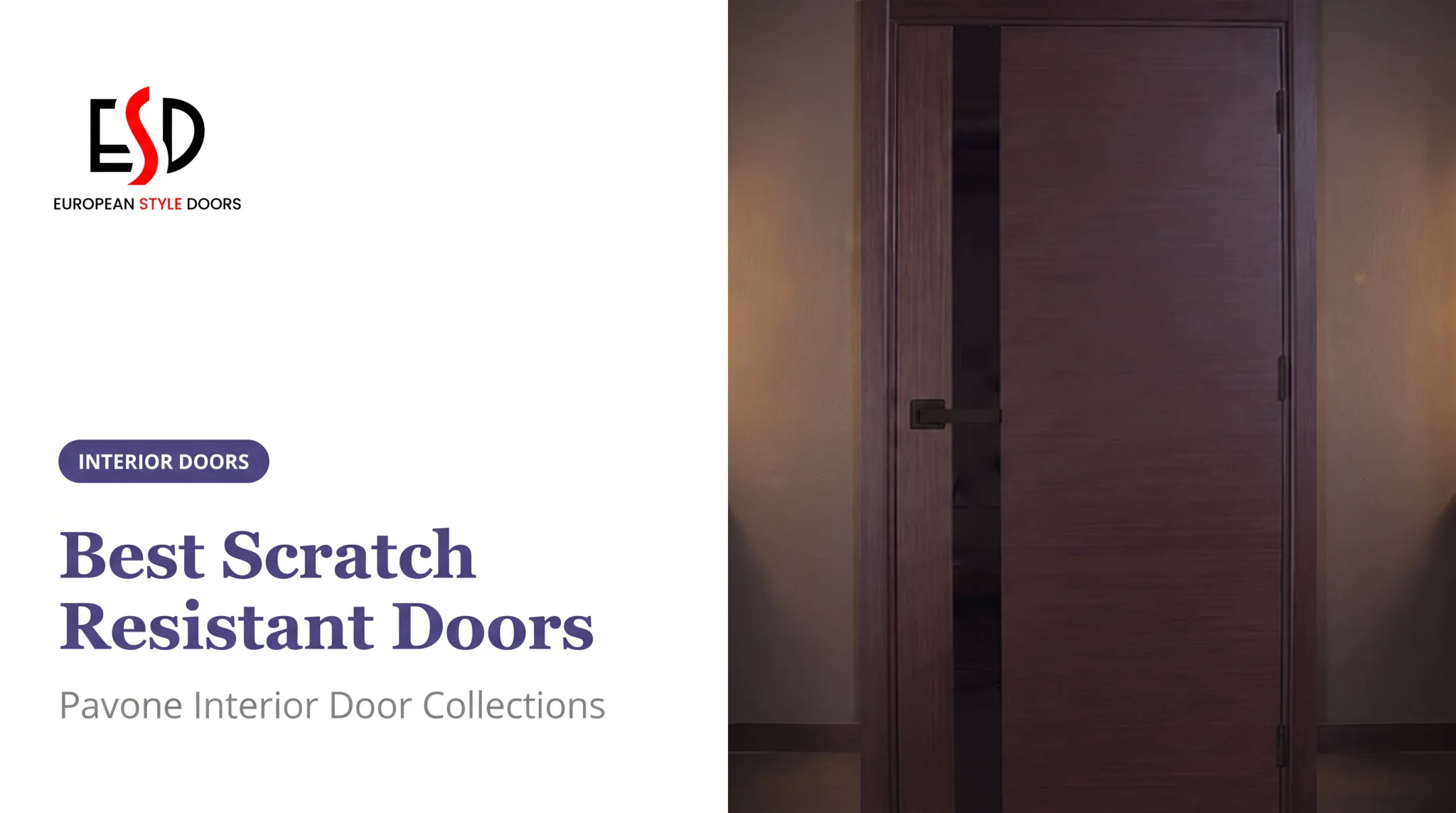
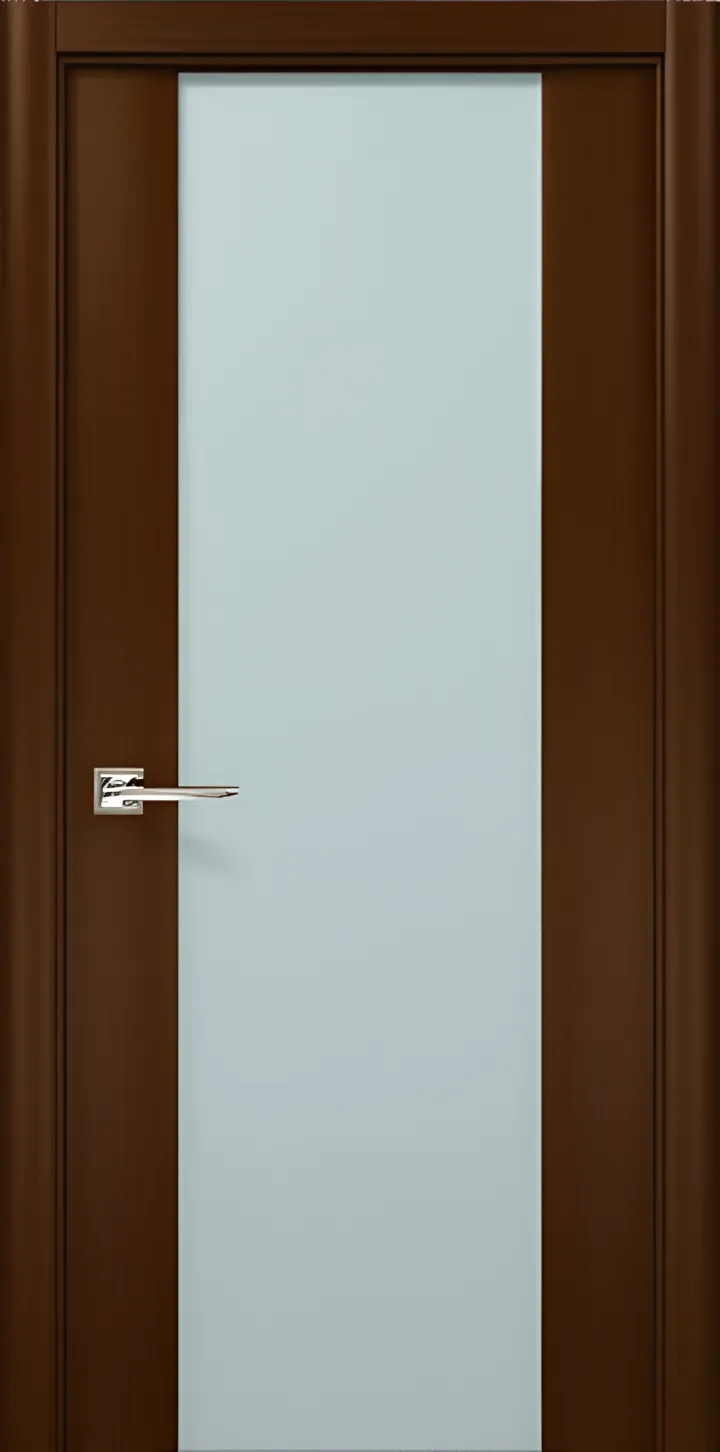
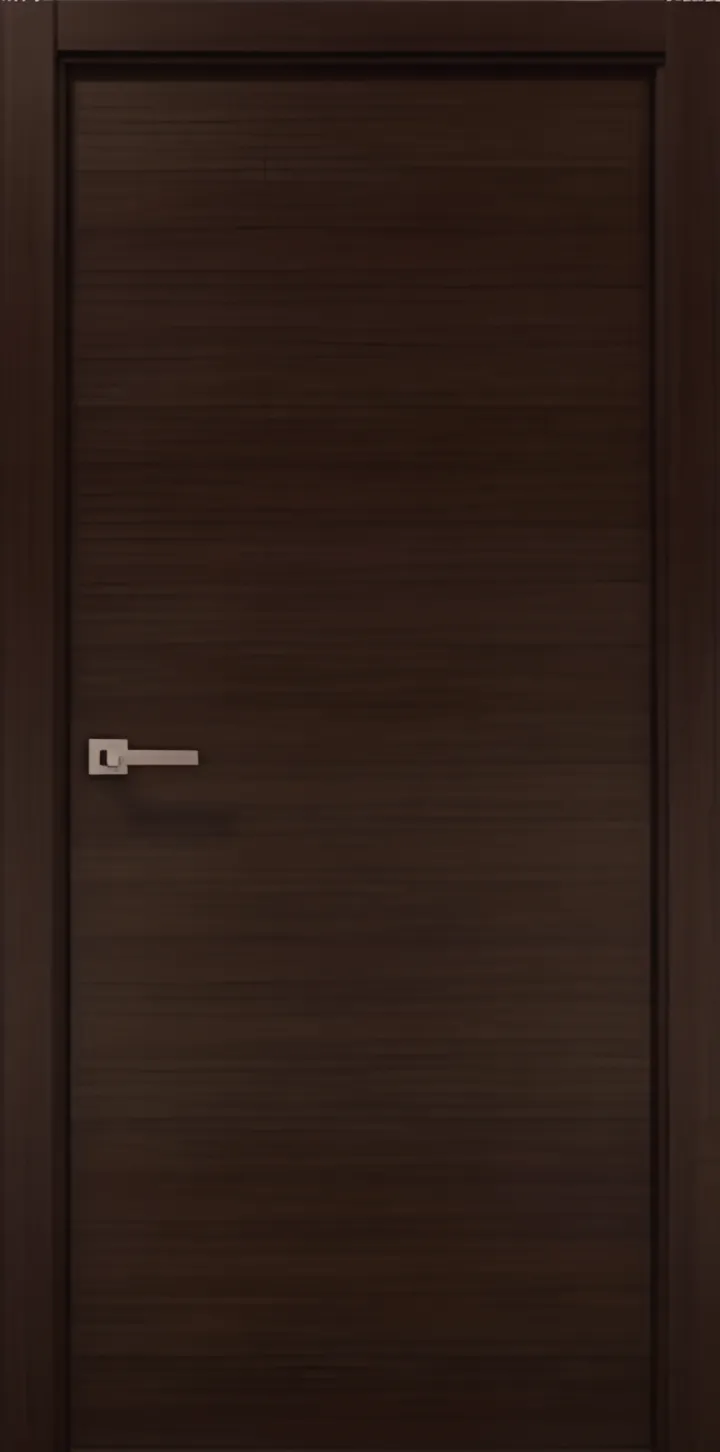
European Style Doors is the exclusive US distributor for Pavone Designs Inc., supplying American-manufactured classic and contemporary interior doors to homeowners, architects, designers, contractors, and housing developers nationwide.
What sets it apart:
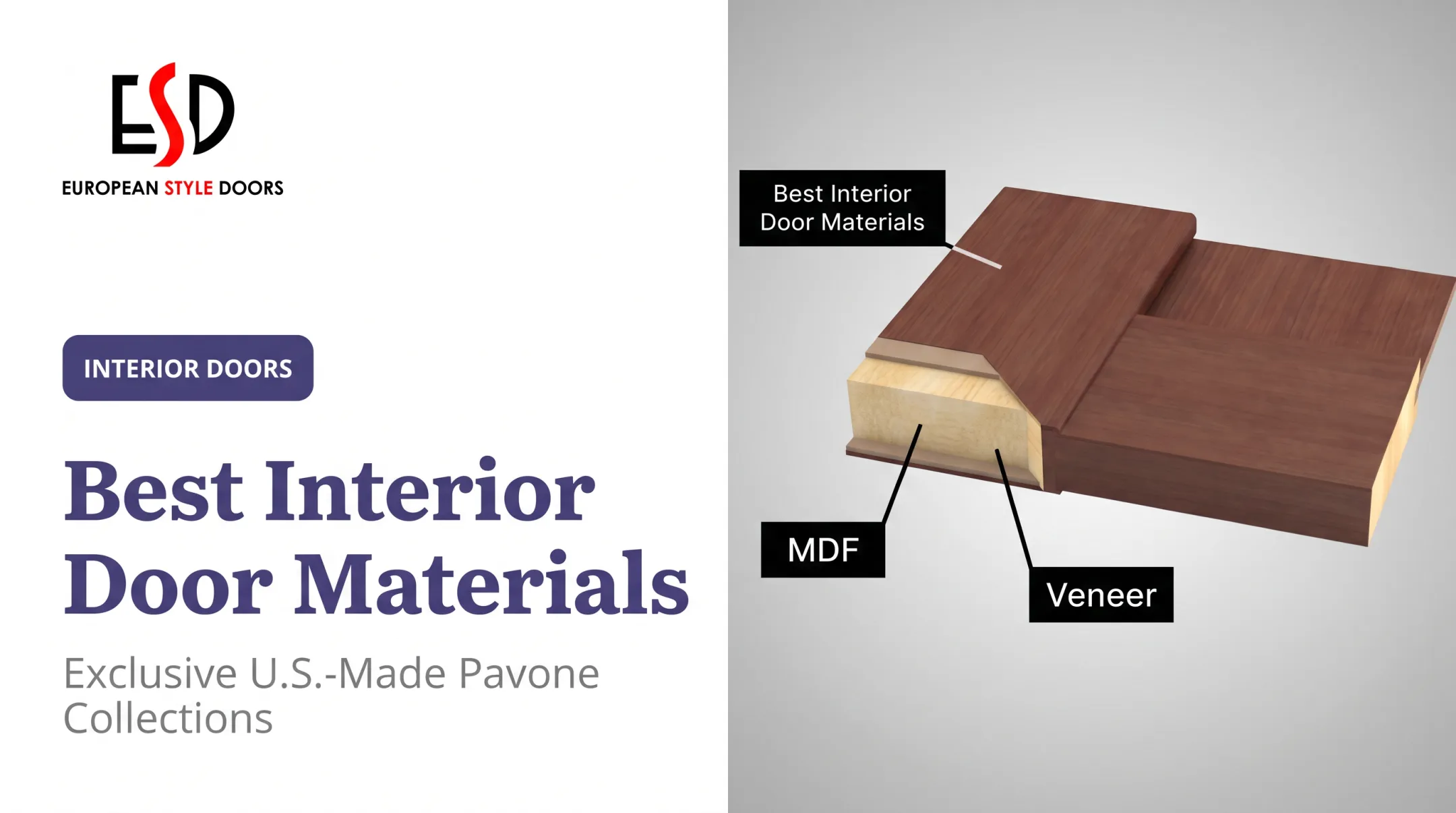
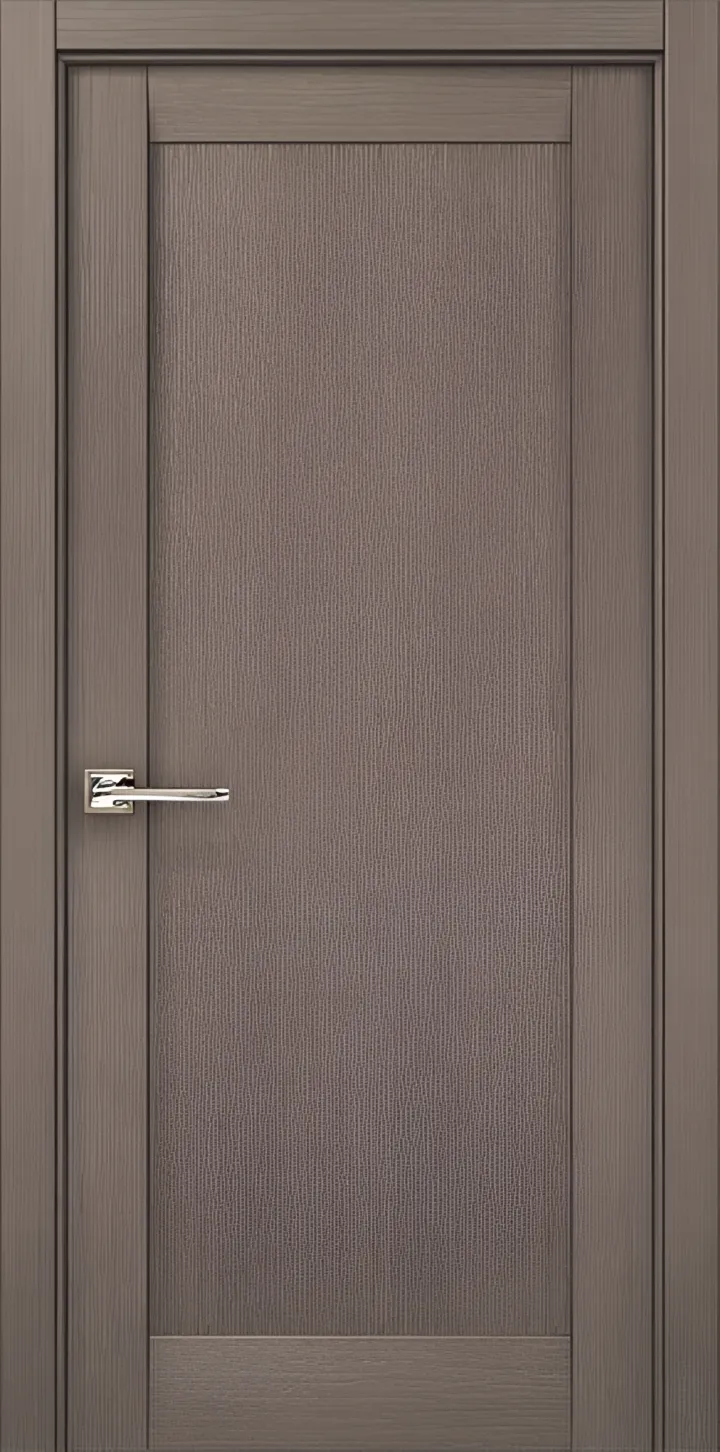
- European-inspired collections (Cosmopolitan, Elegance, Millennium, Elit, Modern, and Glamour) in wood veneer, German laminate, and Indian laminate
- Custom sizing and custom colors, with each door individually crafted rather than mass-produced
- Complete kits that include frame, moldings, hinges, handles, and seals, pre-finished and ready to install
- No waiting period between framing and drywalling, and no primer or paint required on-site
That last point matters more than it sounds. A typical interior door project runs through roughly eight separate steps: purchase, casing, drywall finishing, door hanging, molding, prep, primer, paint. European Style Doors compresses that into a single delivered, installation-ready kit.

This model tends to fit whole-house remodels, custom home builds, and apartment or condo renovations where one vendor handling measurement, delivery, and installation saves real coordination time. Typical turnaround runs 1-2 weeks, and a 3-year warranty is included.
Best for: Custom European-style interior doors and design-led renovations Materials: Pine wood, MDF, natural veneer, German and Indian laminates, tempered glass Support: Free measurement, free delivery on two or more doors, nationwide shipping, optional professional installation
Pella: Best for Broad Residential Door Selection
Pella covers entry, patio, and storm doors across multiple materials — wood and aluminum-clad wood, fiberglass, and steel for entry systems; wood, fiberglass, and vinyl for patio lines like Reserve, Impervia, and Encompass.
This breadth helps homeowners who want to compare categories under one roof rather than researching separate manufacturers for each door type. Glazing options include Low-E glass, obscure glass, and decorative inserts depending on the collection.
On warranty coverage, Pella's fiberglass and steel entry systems carry limited-lifetime nonglass coverage for qualifying original owners, but only 2 years of covered labor. That labor window is easy to miss when comparing headline warranty language.
Best for: Homeowners comparing multiple door categories under one brand Materials: Wood, fiberglass, steel entry doors; wood, fiberglass, vinyl patio systems Support: Dealer locator, showroom consultations, a 10-year transferable installation warranty through the Pella Care Guarantee
Andersen: Best for Patio, French, and Storm Door Systems
Andersen's strength sits in large-opening systems. Its patio lineup spans the 100 Series (Fibrex composite, gliding only) through the A-Series (wood protected by fiberglass, inswing/outswing hinged options), with "French" describing a hinged operating style rather than a separate material line.
Assessing fit means looking past the marketing name to the specifics:
- Opening size and operating style: gliding versus hinged changes clearance and swing requirements
- Glazing and ventilation: some lines offer between-glass blinds
- Weather resistance: reinforced aluminum framing on storm door lines
- Maintenance: wood-based lines need more upkeep than composite or fiberglass-clad options
One important distinction: Andersen's storm door warranty (revised July 2025) is a separate document from patio door coverage. Its storm doors carry lifetime frame and hinge coverage for the original owner, but only 5 years on glass and other components. Don't assume that language applies to a patio door purchase.
Best for: Patio, French, storm, or architecturally significant openings Materials: Fibrex composite, wood, aluminum, fiberglass-clad wood Support: Certified contractor directory, dealer network, line-specific warranty documents
Therma-Tru: Best for Fiberglass Entry Doors
Therma-Tru specializes almost entirely in fiberglass and steel entry systems. Fiberglass appeals to buyers who want a wood-grain look without the upkeep. It resists weathering, warping, and rust better than solid wood in most conditions.
Its construction uses fiberglass-reinforced thermoset skins over a foamed-in-place polyurethane core, with families like Classic-Craft, Fiber-Classic, and Pulse covering different design tiers.
Compare these factors before choosing a model:
- Insulated core construction and frame compatibility
- Weatherstripping quality and seal placement
- Glass and sidelight configuration (double or triple-pane)
- Fire or impact ratings, which vary by specific product and size (not every door qualifies)
Warranty terms differ sharply by line. Therma-Tru's 2025 warranty gives Profiles and Pulse steel doors 10 years of coverage, while Traditions steel doors get 5 years, a gap worth checking before you commit to a specific product line.
Best for: Fiberglass entry doors and wood-look exterior systems Materials: Fiberglass (multiple design tiers), steel Support: Technical performance documentation, line-specific warranties, dealer network
JELD-WEN: Best for Broad Availability and Value-Oriented Projects
JELD-WEN spans interior, exterior, entry, patio, and commercial doors, making it a practical choice when you need standard sizes and multiple materials available through common retail channels like Home Depot or Lowe's.
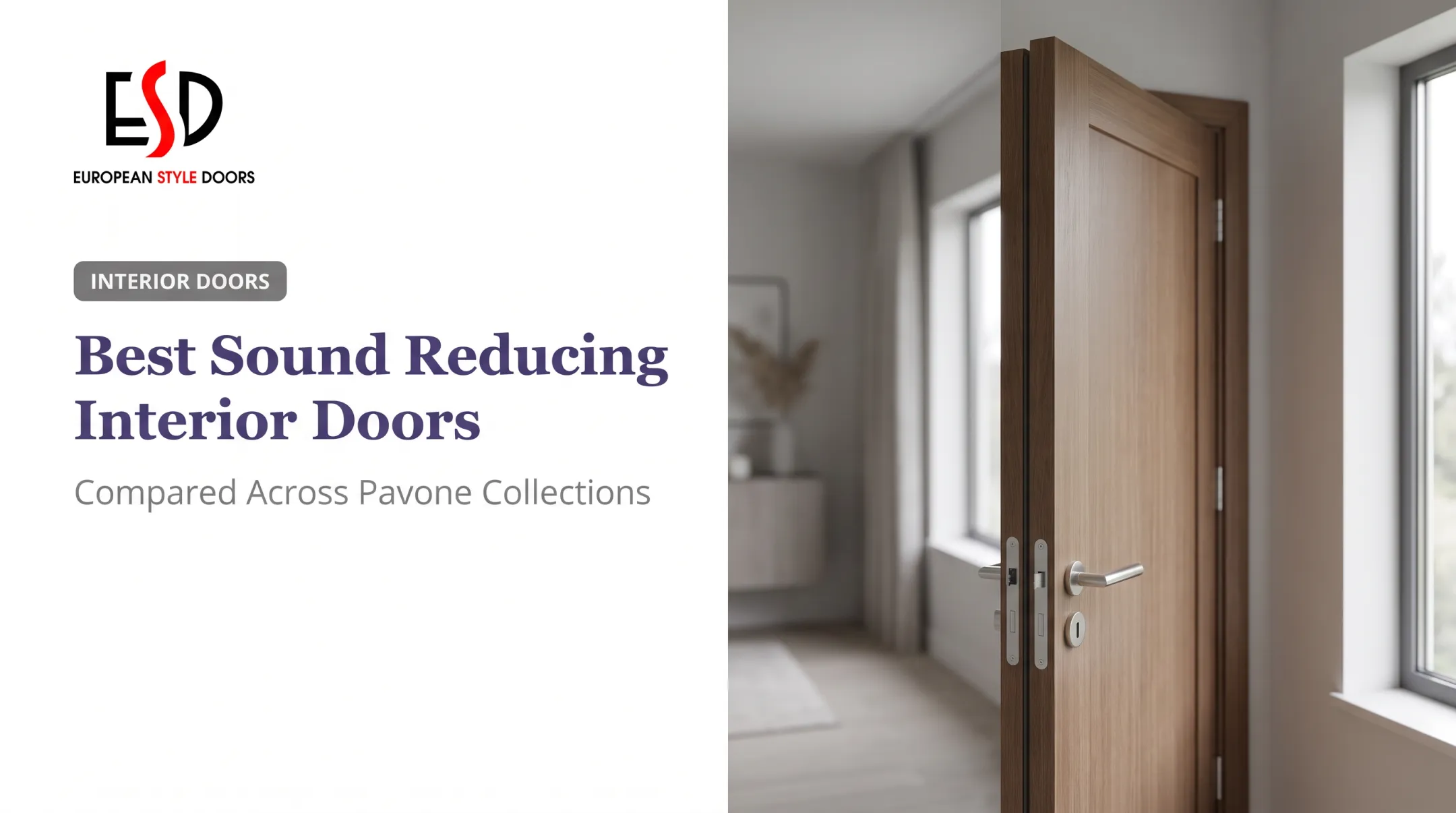
Its interior range alone includes flush and molded wood composite, Tria composite, and solid-core options built to reduce sound transmission — useful for multi-unit buildings or offices.
Warranty coverage splits by material rather than by price tier:
- Exterior fiberglass: coverage while the original owner occupies the home
- Steel doors: 10 years
- Wood doors: 5 years
- Interior MDF doors: 10 years
- Frames and labor: generally 1 year
That structure means a "premium versus entry-level" comparison isn't as simple as checking price. Builders and remodelers handling multiple openings should compare warranty terms by material, not by collection name.

Best for: Broad selection, replacement projects, value-conscious builds Materials: Wood, steel, fiberglass, molded composite, vinyl Support: Nationwide dealer locator, standard retail availability, material-specific warranties
How We Chose the Best Door Brands
This list is a practical shortlist built around common project needs, not a laboratory ranking. Here's the framework we used:
- Product fit first: does the manufacturer actually supply the door category you need (interior, entry, patio, storm) before anything else gets considered
- Material suitability: resistance to moisture, impact, warping, and heat transfer, based on the application and exposure
- Customization depth: dimensions, handing, swing direction, glazing, hardware compatibility, and finish options
- Installation and project support: who measures, whether the door ships pre-hung or as a slab, delivery protection, and installer qualifications
- Total project value: framing, finishing, hardware, delivery, installation, and the cost of fixing a measurement error, not just the sticker price on the slab
Energy performance deserves its own mention here. ENERGY STAR's V7 specification sets different U-factor limits depending on how much glass a door contains: an opaque door must hit 0.17 or lower, while a door with more than half-lite glazing has a separate, less strict threshold. A brand-wide "energy efficient" claim means little without checking the specific configuration.

Conclusion
Choose a door manufacturer whose product category, materials, and installation support match your project, not just a familiar brand name.
Shortlist two or three manufacturers that fit your door type. Confirm measurements and specifications directly with each one. Request complete quotes that cover the whole system: slab, frame, hardware, delivery, and installation, not just the door itself.
If you're working on a custom European-style interior door project, European Style Doors can walk you through sizing, finishes, delivery timelines, and installation-ready kits built for your specific openings. Call 1(800) 705-1399 to start that conversation.
Frequently Asked Questions
What is the best door manufacturer?
There isn't one universal answer. The best choice depends on your door type, material preference, budget, and installation needs. This guide's category-specific picks are a better starting point than a single ranking.
Which door brand is best for interior doors?
Compare manufacturers on design range, construction quality, sound insulation, sizing flexibility, and whether installation is included. European Style Doors is a strong option for custom European-style interior doors with full installation kits.
What is the best material for a durable door?
Wood, fiberglass, steel, and composite all have strengths depending on application and exposure. Fiberglass resists weathering well; steel offers low maintenance; wood needs more upkeep but is repairable.
How do I choose the right door manufacturer?
Check door category fit, opening measurements, material, design options, warranty terms, lead time, and whether installer support is included. Compare the total installed cost, not just the door price.
Are custom doors worth the cost?
Custom sizing and finishes pay off when you have unusual openings, specific design goals, or want repeatable specs across multiple units. Weigh that against lead time and installation requirements before deciding.
Should I buy a door slab or a pre-hung door?
A slab works if your existing frame is sound and correctly sized. A pre-hung system makes more sense when the frame, seals, or threshold also need replacing. Get a professional measurement if the opening is irregular.