
That gap isn't a pricing error. It's the difference between a bare door leaf and a complete, installed project. Many homeowners underbudget because they compare a door-only listing to an installed quote, then get surprised by frame repairs, trim, hardware, or finishing costs tacked on later.
Whether you're swapping one closet door, replacing every door in the house, outfitting a new build, or ordering a custom statement piece, the pricing logic is different each time. This guide breaks down door-only versus installed pricing, the factors that move your budget up or down, and the steps to take before you request a quote.
Key Takeaways
- Door-only prices typically run $50 to $500; fully installed projects average closer to $797
- Hollow-core and basic slabs sit at the low end; solid-core, solid wood, glass, and custom doors cost more
- Frame repairs, trim, hardware, delivery, and removal can add hundreds to a "door price"
- Paying more makes sense for sound control, durability, custom sizing, or a coordinated whole-home look
- Always confirm whether a quote is door-only or fully installed before comparing prices
How Much Does an Interior Door Cost? (Pricing Overview)
There's no single "correct" price for an interior door. Costs shift based on material, size, finish, hardware, and whether you're buying a slab, a prehung unit, or a complete kit with installation.
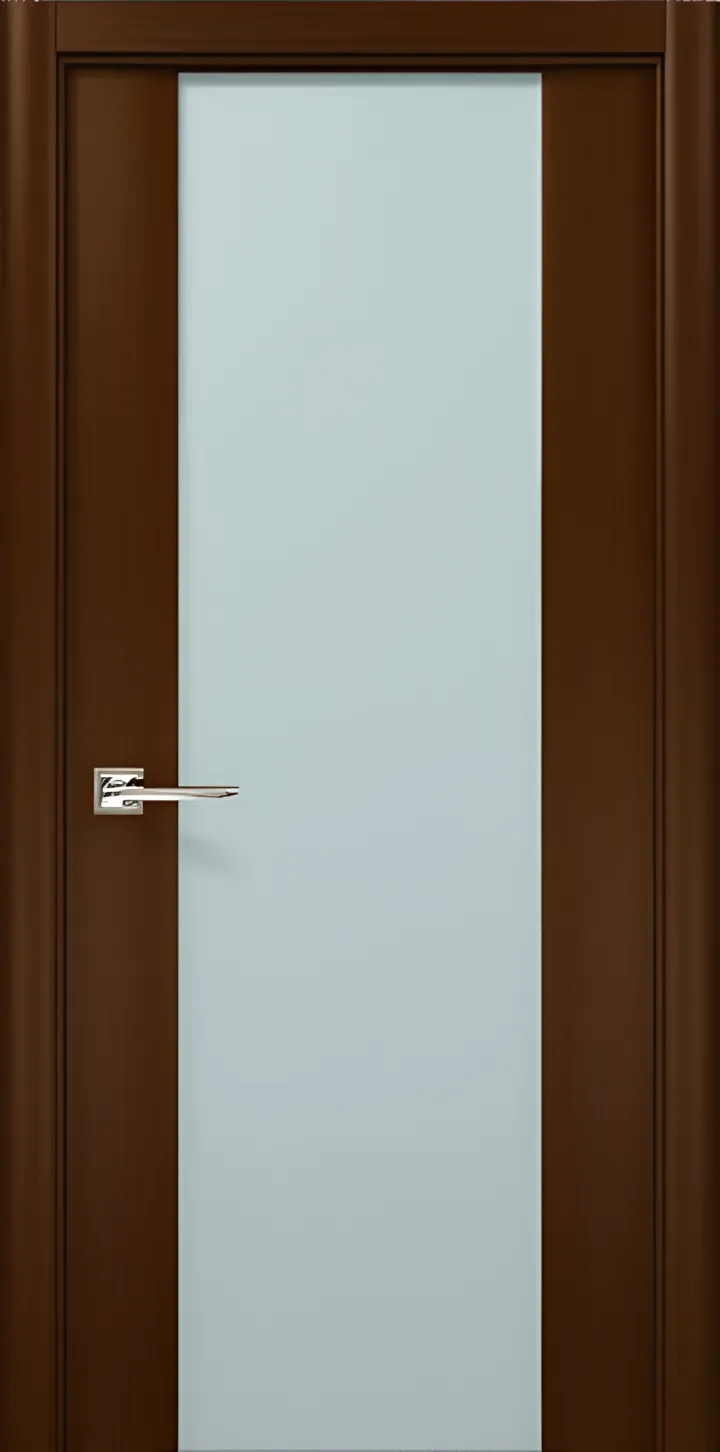
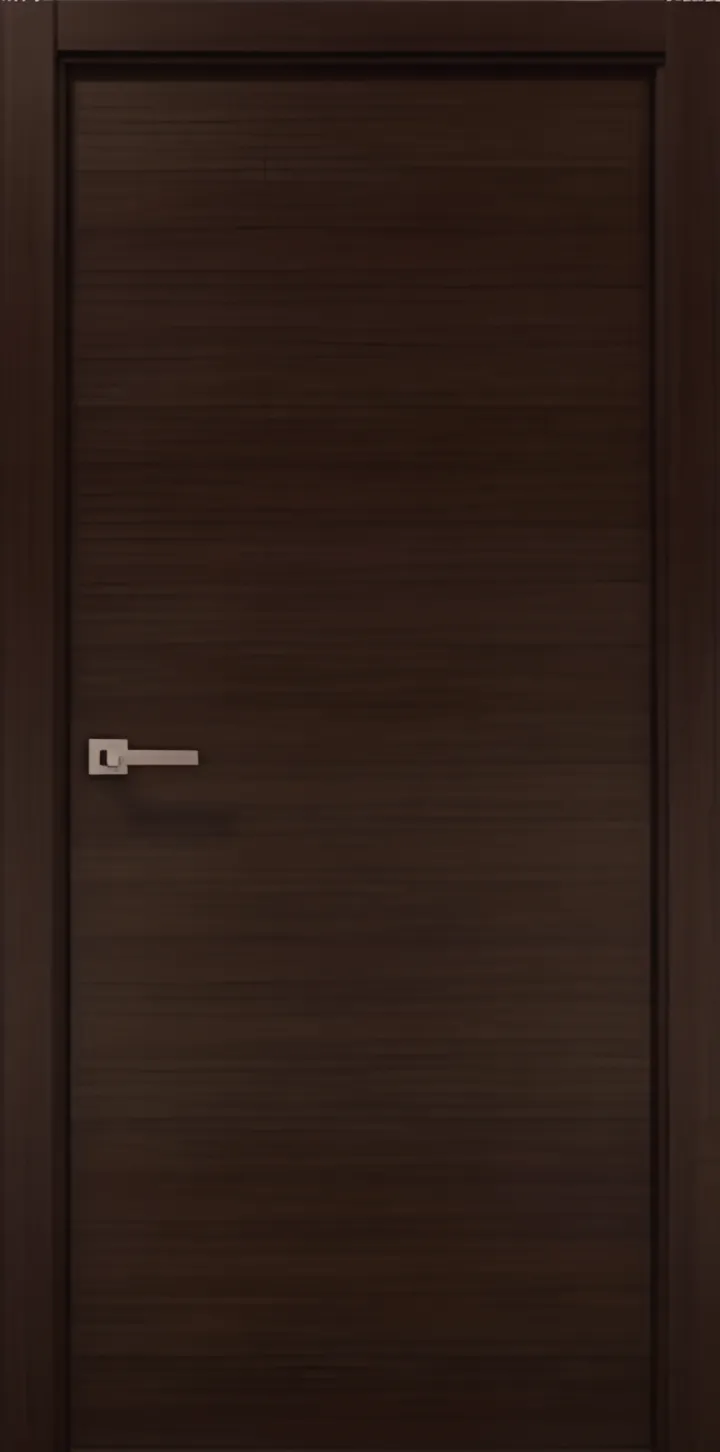
Misreading these ranges causes two common problems: underbudgeting a multi-door project, or comparing a cheap door-only listing against a contractor's all-in installed quote. Neither comparison is fair, and both lead to frustration when the final invoice arrives.
Typical Cost Range
National pricing data breaks down roughly like this:
| Tier | Door-only | Installed | What's typically included |
|---|---|---|---|
| Entry-level | $30–$240 | $120–$380 | Basic hollow-core or standard slab; hardware often extra |
| Mid-range | $60–$330 | $170–$680 | Solid-core or standard prehung with frame and hardware |
| High-end/custom | $150–$1,300+ | Quote-specific | Solid wood, glass inserts, premium veneer, or custom sizing |
According to HomeGuide's cost report, door-only product prices typically fall between $50 and $500, while installed totals vary by material and labor scope. HomeAdvisor's cost data puts the national installed average at $797, with most projects landing between $362 and $1,232.

These ranges rarely include everything. Confirm whether the quoted price covers:
- Door unit, frame or jamb
- Hinges, handles, and locks
- Finish, delivery, and trim
- Old-door removal and disposal
Missing even one line item can shift your total significantly.
Door-Only vs Installed Pricing
A $90 door slab on a big-box shelf and a $450 "same" door installed aren't contradictory prices. They're different products.
What each option actually includes:
- Slab only: No frame or hardware; usually needs drilling for knobs and hinges
- Prehung unit: Includes the frame; simpler to install, higher upfront cost
- Installed quote: Adds labor, hardware fitting, and sometimes trim or painting
If you're comparing custom sizing, finish selection, and installation-ready kits, a quote from European Style Doors can clarify what's bundled into one price versus what gets charged separately by a typical big-box or local supplier. Request specifics rather than assuming savings based on the sticker price alone.
Key Factors That Affect the Cost and Cost Breakdown of Interior Doors
The final number on your invoice combines the door product with labor, site prep, accessories, and any corrections needed to the opening itself. Each factor below can move your total independently.
Type, Configuration, and Construction
Door style affects hardware needs and installation time:
- Swing doors are the simplest and cheapest to install
- Pocket and barn doors need track hardware and wall or surface space
- Bifold and French doors require more precise alignment and extra hinges
- Glass and double doors add material cost and careful handling
Slab doors suit a sound existing frame but need accurate on-site fitting. Prehung units include the frame already set, which simplifies alignment when the rough opening is being rebuilt anyway.
Size, Scale, and Customization
Nonstandard dimensions change everything. Wider, taller, or thicker doors need more material, stronger hardware, and often custom engineering.
Pricing a true oversized door, like a 10-foot unit, isn't something you can benchmark against a standard $300 slab. It's quote-specific, driven by weight, structural support, and delivery logistics.
Custom collections, such as those offered from European Style Doors, typically quote these based on exact sizing, finish, and glass selection rather than a published price list.
Materials, Finish, Hardware, and Build Quality
Construction type affects weight, sound control, and expected cost:
- Hollow-core: lightest, least sound control, lowest cost
- Solid-core: denser, better sound control, mid-range pricing
- Solid wood or engineered wood with veneer: heavier, more durable, higher cost
- Glass inserts: add material and labor cost depending on panel count
Hinges, handles, locks, closers, and reinforced frames can be separate line items or bundled into a package. Always confirm which applies before comparing two quotes.
Installation, Frame, Trim, and Site Conditions
Labor alone typically runs $100 to $300 per door, according to HomeGuide's cost report, with hourly rates between $30 and $80 plus possible trip charges. A standard removal-and-replacement job averages roughly $350.
Costs climb when the project includes:
- Frame fitting or full replacement
- Rough-opening resizing for nonstandard dimensions
- Uneven walls or floors needing shimming
- Drywall repair around the opening
- Casing and base trim installation
- Painting, old-door removal, and disposal
Cost Breakdown
A complete project typically has four stages:
- Initial purchase – the door unit, frame or jamb, and finish. Confirm whether this is product-only or a package price.
- Installation and setup – measuring, removal, fitting, hanging, shimming, hardware installation, and cleanup.
- Ongoing maintenance – usually minimal, but touch-ups, refinishing, or hardware adjustments add up over time.
- Future upgrades – premium hardware, improved sound control, or replacement trim down the line.

Low-Cost vs High-Cost Interior Doors — What's the Difference?
The cheapest door isn't always the cheapest choice over time. A premium door is only worth it when its performance, appearance, or fit solves an actual problem in your home.
Performance and Function
Lower-cost doors work well for closets, pantries, low-traffic rooms, or quick rental refreshes where basic privacy is all that's needed. Higher-cost doors earn their price when sound control, mass, or custom fit genuinely matters, such as bedrooms, home offices, or busy hallways.
Durability and Maintenance
Budget doors often compromise dent resistance, finish longevity, and moisture tolerance. Masonite notes that solid-core construction adds density and sound-dampening material compared to hollow-core options. That extra mass can mean sturdier long-term performance in high-use areas.
Premium doors with factory-applied finishes and properly specified hardware tend to hold up better and need less touch-up work. Specific lifespan claims still vary by manufacturer, so verify them before you buy.
Precision, Appearance, and Installation Risk
Standard sizes reduce fitting complexity and installation risk. A $90 door becomes a poor deal fast if your opening is out of square or the frame doesn't match.
For design-led or whole-house projects, coordinated sizing and consistent finishes across every door matter more than any single unit price. Complete kits with matching casing, jamb, and extensions (the approach European Style Doors uses) remove guesswork compared to sourcing trim and hardware separately.
Long-Term Value
Weigh these before deciding:
- Upfront price versus installation effort
- Expected maintenance and replacement risk
- Sound and privacy needs by room
- Visual impact on resale or daily use
A mixed approach often works best: invest in premium doors for bedrooms, offices, or entry points, and choose simpler options for closets and storage.
How to Estimate the Right Budget and What Most People Miss
Start by counting every opening in your project and classifying each one: location, privacy needs, traffic level, moisture exposure, and whether the existing frame can stay.
Factors to Include
Build your budget checklist around:
- Door type, dimensions, and core material
- Finish, hardware, and slab-versus-prehung format
- Frame condition and trim needs
- Labor, delivery, removal, and disposal
- Taxes and possible frame or wall repairs
Always request an itemized quote. It should state exactly what's included, how measurements get verified, and whether cleanup and warranty support are covered. European Style Doors, for example, includes free measurement and a 3-year warranty as part of its custom quote process.

For multi-door projects, ask how bundled delivery or consistent finishing affects per-door pricing. Confirm any discount with current supplier documentation rather than assuming a blanket rate applies.
What Most People Miss
Three mistakes show up again and again:
- Focusing only on the door price while ignoring frame condition, trim, labor, and disposal costs
- Over-specifying premium features that don't solve an actual functional or design problem
- Choosing the cheapest slab without checking fit, construction quality, or installation support
Before ordering anything, measure each opening and confirm wall thickness, swing direction, floor clearance, and hardware needs. If your project involves custom sizing or professional installation, request a project assessment from European Style Doors to catch these details before they turn into expensive change orders.
Conclusion
Interior door cost depends on type, construction, size, finish, hardware, frame condition, and labor, not a single average number you can apply to every room.
Compare quotes like-for-like: door-only against door-only, installed against installed. Mixing the two is where most budget surprises start.
The right budget balances appearance, fit, durability, and long-term value. Professional measurement and an itemized quote go a long way toward avoiding costly mid-project corrections.
Frequently Asked Questions
What is the average cost of an interior door?
Door-only prices typically range from $50 to $500 depending on material and style. Installed totals average closer to $797, with material, size, and frame condition driving the difference.
What is the average cost to install an interior door?
Standard installation labor runs $100 to $300 per door, while a full removal-and-replacement job averages around $350. Costs rise with frame repairs, trim work, or nonstandard sizing.
What are the typical prices for prehung interior doors?
Prehung units include a built-in frame, typically priced $50 to $300 door-only or $170 to $470 installed. Slabs cost less upfront but need separate hardware and frame fitting.
What is the price of a 10-foot door?
A 10-foot interior door is a custom, quote-specific project. Weight, construction, hardware, structural support, and delivery all affect the final price, so there's no standard national figure.
How much do professionals charge to fit a door frame?
Professional reframing typically costs $40 to $75 per hour, while a complete frame replacement (including installation) runs $220 to $370. The price depends on whether you're fitting an existing frame or replacing it entirely.
How much does it cost to replace door trim?
Installed casing typically costs $5 to $10 per linear foot, according to HomeGuide's trim guide. Costs climb with painting, drywall repair, or extensive wall work beyond simple casing swaps.